 Skip to content
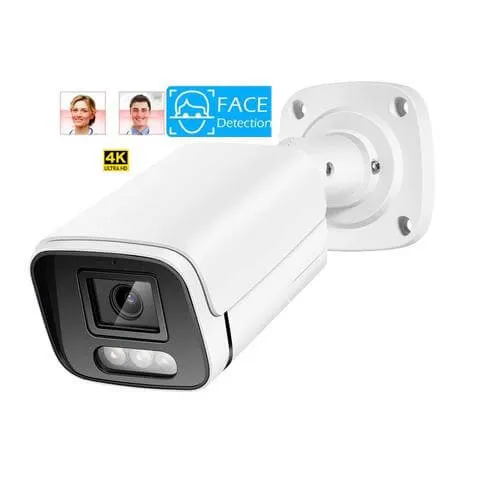
Keeping a massive factory or warehouse safe is a tough job. Therefore, you might wonder if upgrading your security system is really worth the hassle. In my years of experience, I have seen how old cameras just cannot cover huge spaces well. As a result, blind spots let theft and accidents slip through. So, how do you fix this? First, IP cameras offer crystal-clear 4K video and smart AI tracking. Second, they use single-cable Power over Ethernet (PoE) for easy setup. Finally, they easily scale up to hundreds of cameras. In short, IP cameras provide the ultimate mix of range, clarity, and smart features for giant spaces. Since you need reliable security, let us walk through the exact features, costs, and setups you need. Below, I will share the best tips and real data to help you choose the right system.
Why are IP cameras ideal for large warehouses and factories?
If you run a huge facility, you know that old analog cameras just don’t cut it. You need something better. Therefore, IP cameras are the perfect fit because they connect directly to your network. Also, they send videos over the internet, so you can check your factory floor from anywhere.
IP cameras beat older analog systems because they offer 4K resolution and remote access. Furthermore, they scale up easily, so you can manage 100+ cameras without breaking a sweat.
To start, IP cameras give you unmatched picture quality. For example, you can zoom in on a license plate across a massive warehouse. Additionally, PoE technology means you only need one cable for power and data. Consequently, you save a ton of money on wiring. Plus, modern NVR recorders handle dozens of cameras at once. In my experience, once factories switch to IP, they never look back.
| Feature | Benefit |
|---|---|
| High Resolution (4K/2MP) | Catches every detail across large spaces |
| Remote Viewing | Monitor footage on your phone anytime |
| Easy Scaling | Add cameras to your network without hassle |
Therefore, IP cameras are the best foundation for large-scale industrial security because they provide reliable, clear, and expansive coverage. Companies like JER Technology understand these unique industrial needs. If you’re ready to upgrade your facility’s security system, contact their team for expert guidance.
What key features should you look for in industrial IP cameras?
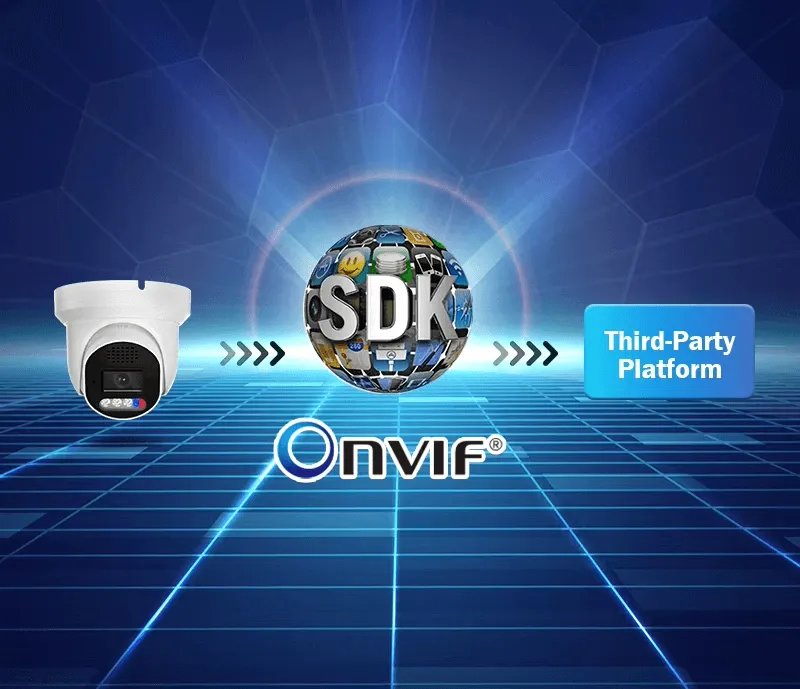
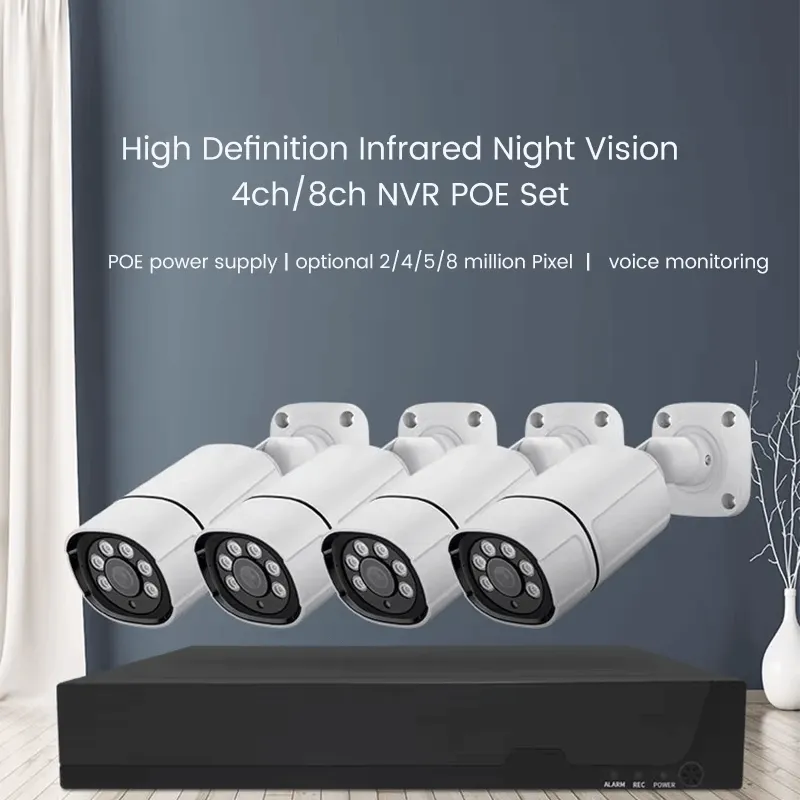
Not all cameras are built the same. In fact, factories and warehouses have very specific needs. So, you cannot just buy any cheap camera off the shelf. Instead, you need tough, smart features that handle real industrial challenges. The best industrial IP cameras feature ONVIF compatibility, AI analytics, and IP67 weatherproofing. Thus, they survive harsh factory floors while catching every important event.
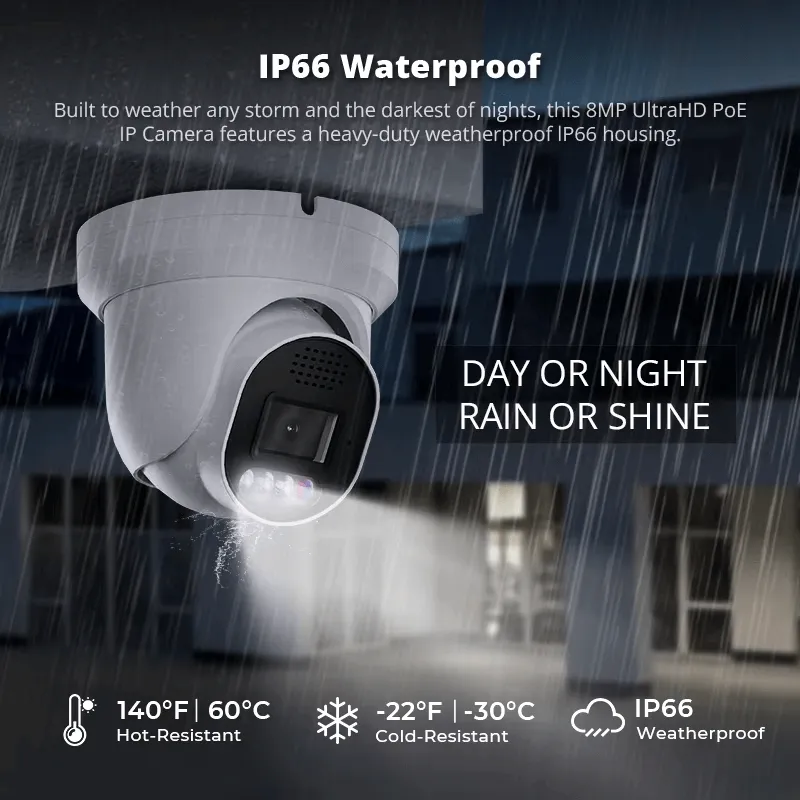
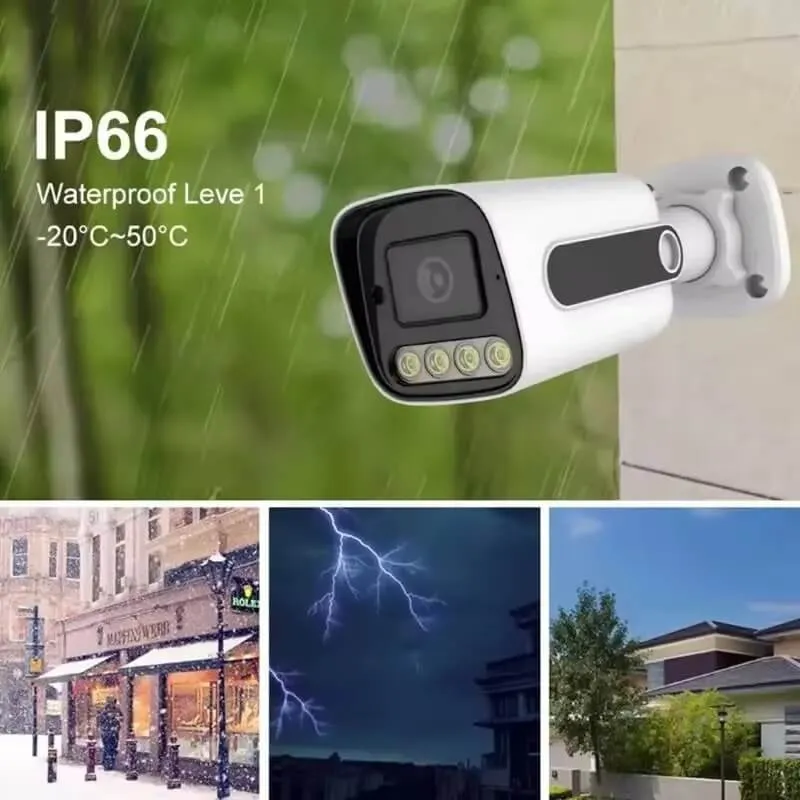
First, I always recommend checking for ONVIF compatibility. This ensures your cameras play nicely with different NVR systems. Next, look for AI analytics, like motion and intrusion detection. Because of AI, you get fewer false alarms from moving animals or shadows—saving your security team from constant headaches. Also, you absolutely need IP67 weatherproofing. This rating proves the camera survives dust and heavy rain, which is critical for loading docks. Finally, wide-angle lenses are vital for covering long warehouse aisles.
| Feature | Industrial Benefit |
|---|---|
| ONVIF Standard | Works with almost any video recorder. |
| AI Detection | Spots real threats and ignores shadows. |
| IP67 Rating | Stands up to extreme weather and dust. |
Companies like JER Technology design cameras with these heavy-duty features in mind. If you are unsure which specs fit your unique facility, you can contact them for expert advice. By choosing cameras with AI and tough build qualities, you ensure your security system actually works when you need it most.
How do real-world statistics prove IP cameras work for industrial security?
You might be thinking, “That sounds great, but does it actually work?” Well, I always tell my clients to look at the data. Numbers do not lie. Therefore, seeing the real-world stats will help you understand why IP cameras are the industry standard. Industry reports show that IP cameras reduce inventory theft by up to 30%. Also, they achieve a 99.5% uptime reliability rate compared to older systems.
Clearly, the data speaks for itself. For instance, factories using IP surveillance see a major drop in lost inventory. Furthermore, PoE IP systems stay online much more often than old analog setups.
| Metric | Data |
|---|---|
| Market Growth | Global IP camera market to reach $15.4B by 2026 |
| Theft Reduction | 65% of warehouses cut inventory theft by 20-30% |
| Camera Density | Factories average 50-200 cameras per site |
| Uptime Reliability | PoE IP systems: 99.5% vs 92% for analog |
| AI Impact | AI cameras detect 40% more incidents |
The statistics clearly prove that investing in IP cameras protects your assets and pays for itself in loss prevention. For more details on industrial-grade solutions, visit JER Technology or contact their team to discuss your specific needs.
What are the best installation practices for warehouse and factory IP cameras?
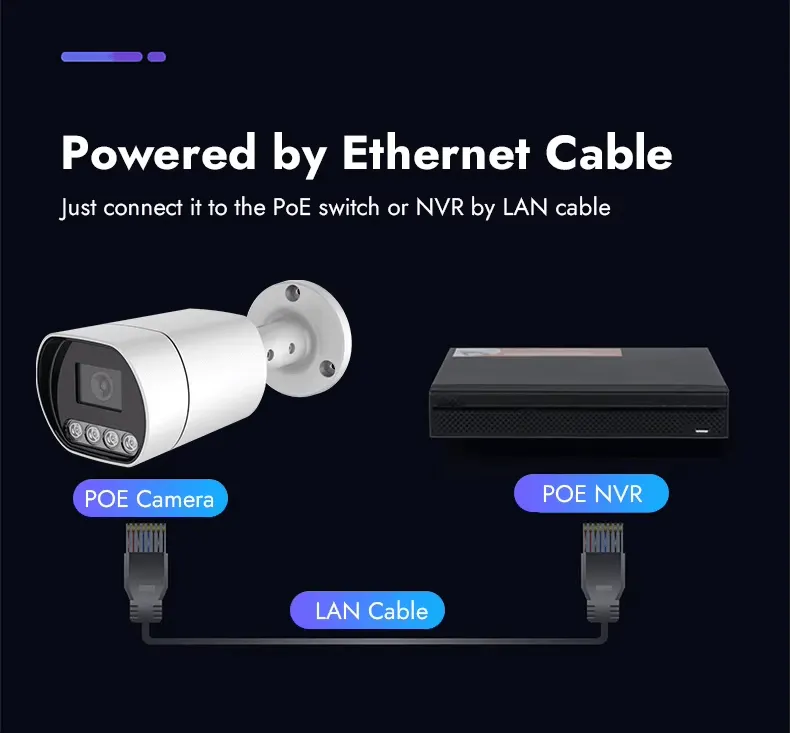
Buying the best camera is only half the battle. If you put it in the wrong spot, it is basically useless. Therefore, you need a solid plan before you drill any holes. Let us look at how the pros set up cameras in giant spaces. For best results, use PoE switches for single-cable wiring and place cameras at chokepoints. Also, always map out camera angles before you start the installation.
First, I always recommend using PoE switches. Because of PoE, you run just one cable for power and video. Consequently, your installation time drops by 40%—a lifesaver for large projects. Next, focus on camera placement. You should always put cameras at entry points, loading docks, and blind alleys. Also, wide-angle lens cameras are used to cover long aisles to cover the most ground.
| Zone | Recommended Strategy |
|---|---|
| Loading Docks | High angles to capture truck activity. |
| Entry Points | Eye-level cameras for clear ID. |
| Aisles | Wide-angle lenses for long paths. |
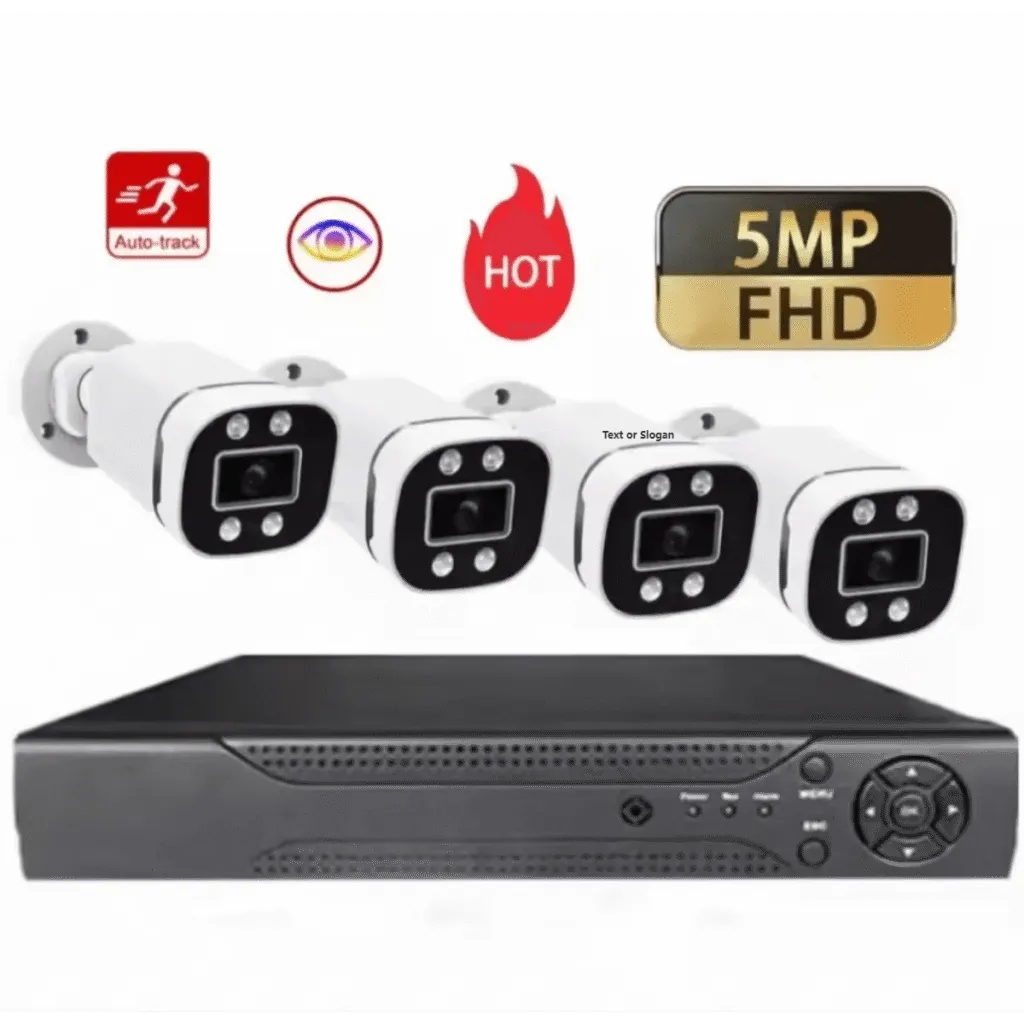
Furthermore, JER Technology offers complete plug-and-play kits with NVRs. As a result, you can roll out a huge system in just seven days. If you need specific advice on mapping your floor, you can contact their team for a consultation. Careful planning and PoE setups make your camera installation fast, cheap, and highly effective.
Do IP camera systems actually save money and offer a good ROI?
Many people worry about the upfront price of an IP system. Sure, it costs a little more than analog at first. However, you have to look at the big picture. In the long run, IP cameras save you a lot of cash. While IP cameras cost about 20% more upfront than analog, they offer 50% lower maintenance costs. Plus, the theft reduction pays back your investment in under a year.
Let us break down the ROI. Initially, an IP camera setup might seem pricey. But PoE wiring saves you huge labor costs right away because you only run one cable. Also, IP systems rarely break down. Therefore, you spend far less on repairs and maintenance over the years. More importantly, stopping just one major theft pays for the whole system.
| Cost FactorIP Camera Advantage | |
|---|---|
| Maintenance Savings | 50% lower than analog systems |
| ROI Payback Period | Under 1 year via theft reduction |
| Bulk Purchase (50 cams) | Approx. $5,000 – $10,000 total |
JER Technology even offers bulk OEM pricing to keep your budget in check. That is a smart deal for total peace of mind. If you want specific numbers, you can contact their team directly. Key highlights include: Lower Wiring Costs — PoE saves money on cables. Less Maintenance — Fewer breakdowns mean fewer repair bills. Quick Payback — Stopping one theft covers the cost. Ultimately, IP cameras are not an expense; they are a money-saving investment that protects your bottom line.
How do you choose a reliable IP camera manufacturer?
Your camera system is only as good as the company that builds it. Sadly, many suppliers cut corners. Thus, you need a manufacturer you can actually trust. From my experience, working directly with a dedicated OEM makes all the difference. Look for an OEM manufacturer with strict quality control, like 48-hour aging tests. Also, choose a partner that offers full customization and fast 24-hour support.
First, quality control is everything. For example, JER Technology runs strict 48-hour aging tests on every camera. As a result, you know the cameras will not die after a week. Second, you want customization. A good manufacturer lets you print your logo and tweak the software. Third, check their track record.
| Criteria | What to Look For |
|---|---|
| Quality Testing | 48-hour aging tests on all units |
| Experience | 15+ years in the industry |
| Certifications | CE, FCC, and RoHS compliance |
| Global Reach | Serves 50+ countries |
JER Technology has over 15 years of experience and holds CE, FCC, and RoHS certifications. Because they handle compliance, you can focus on selling. As one happy client said, “Their salesman was very professional, all I have to do is sit in the office and wait to receive the goods.” To learn more about their OEM services, contact their team directly. Partnering with an experienced, certified manufacturer ensures your large-scale surveillance project succeeds without headaches.
Conclusions
To sum it up, setting up IP cameras for large-scale surveillance in warehouses and factories is a smart move. Not only do you get crystal-clear 4K video, but you also save money on wiring and prevent costly theft. Ultimately, by choosing a trusted manufacturer, you lock in quality and peace of mind for years to come.

 English
  Español
  Português
  العربية
  Русский
  Français
  日本語
日本語  Türkçe