
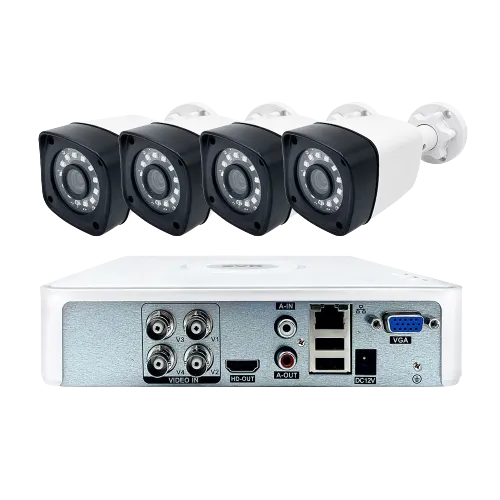
Finding a reliable analog camera manufacturer feels overwhelming. You need quality products, on-time delivery, and real support. Poor choices lead to security failures and wasted money. I will help you navigate these choices so you can pick the perfect partner for your business. Choosing the right analog camera manufacturer means checking their production scale, certifications, and customization options. Top-tier manufacturers offer: Production Capacity of 45,000 units/month, Market Reach of 50+ countries, Certifications including CE, FCC, and RoHS, and 17+ years of Experience. Therefore, understanding these core metrics is your first step. Let us transition into the specific details that separate a good supplier from a great one. I claim that evaluating production capacity, certification standards, and OEM/ODM flexibility is the ultimate way to secure a trustworthy analog camera manufacturer.
Why Does Analog Camera Technology Still Matter in Modern Security?
Selecting the right analog camera manufacturer requires careful thought—you cannot simply pick the first name that appears in search results. Trust me, I’ve seen security projects derail because someone chose a manufacturer based on price alone, only to discover the “savings” evaporated through unreliable equipment and non-existent support.
When you purchase analog cameras, you’re investing in a partnership, not just hardware. A reputable manufacturer delivers consistent quality, honors warranty commitments, and provides technical expertise when issues arise. The alternative? Spending hours troubleshooting equipment failures while your clients question your reliability.
Your selection process should begin with honest self-assessment. What’s your actual monthly volume? Do you need customized solutions or standard configurations? What level of technical support can you realistically expect to require? These questions matter because different manufacturers serve different buyer profiles effectively.
The stakes extend beyond simple economics. Your security system protects people, property, and professional reputation. Choosing an unproven manufacturer to save a few dollars per camera creates vulnerabilities that no amount of post-installation support can fully resolve. Contacting established manufacturers early in your planning process helps establish realistic expectations and verifies that your requirements align with their capabilities.
Getting manufacturer selection wrong doesn’t just cost money—it undermines the entire purpose of your security installation.
What Key Factors Should You Evaluate in an Analog Camera Manufacturer?
Years in business tells you everything about a manufacturer’s reliability. A company with 17 years of experience has survived multiple industry shifts, economic downturns, and technology transitions—this isn’t luck, it’s competence. I’ve watched countless manufacturers appear overnight and vanish just as quickly, leaving customers with unsupported equipment and void warranties.
Production capacity matters more than you might initially realize. A factory producing 45,000 units monthly operates with approximately 2,050 units daily across multiple shifts. These numbers aren’t arbitrary—they indicate whether a manufacturer can handle your orders during peak demand without delays. Always request facility documentation and customer references to verify these claims. Companies like JER Tech provide transparent production data because they understand that informed buyers make better partners.
| Monthly Volume | Buyer Type | Partnership Model |
|---|---|---|
| 500-5,000 units | Small Integrators | Direct Partnership |
| 5,000-15,000 units | Regional Distributors | Ideal Fit |
| 15,000-40,000 units | National OEMs | Partner Approach |
| 40,000+ units | Large Enterprises | Strategic Partnership |
Quality control processes separate legitimate manufacturers from assembly shops. Ask about testing procedures, defect rates, and warranty fulfillment history. A manufacturer unwilling to discuss these topics is hiding something. If you need clarification on production capabilities, reach out directly—reputable manufacturers welcome questions because they know educated customers make fewer complaints.
Experience and scalable production capacity remain your strongest reliability indicators—everything else is secondary.
How Do Quality Certifications Protect Your Business?
Quality certifications might seem boring—until your shipment gets seized at customs or your client faces a lawsuit. I’ve seen both happen, and neither scenario is pleasant. These certifications exist for a reason: they protect your business from legal liability and ensure your products won’t harm people or property.
Three certifications matter most in the analog camera industry. CE marking proves compliance with European Union safety standards—try selling there without it and watch customs officials turn your entire shipment around. FCC certification is your ticket to the United States market, verifying that your cameras won’t interfere with radio frequencies. RoHS compliance guarantees your products don’t contain hazardous substances like lead or mercury, which is increasingly important for environmental regulations worldwide.
| Certification | Region | Purpose |
|---|---|---|
| CE Mark | European Union | Product Safety (Mandatory) |
| FCC | United States | RF Interference Compliance |
| RoHS | Global Markets | Environmental Compliance |
A manufacturer holding all three certifications demonstrates a serious commitment to global compliance. Companies like JER Tech maintain these certifications because they understand that professional buyers need documentation, not promises. If a manufacturer cannot provide current certification copies, consider it a warning sign. You can contact certified manufacturers directly to verify documentation—legitimate companies provide this information readily.
These certifications shield your business from legal risks and guarantee product safety across multiple markets.
Can Your Manufacturer Handle Your Production and Delivery Needs?
A great product means nothing if it arrives three weeks after your client’s deadline. I’ve watched projects derail because manufacturers overpromised and underdelivered—don’t let that become your problem. Understanding production timelines separates reliable partners from expensive disappointments.
Typical order-to-delivery times range from 6 to 15 weeks, but here’s what matters: fast-delivery guarantees can significantly reduce this. Manufacturers with streamlined processes save you weeks of waiting and reduce your business risk substantially. Companies like JER Tech demonstrate that efficient production isn’t just about speed—it’s about predictability.
| Stage | Duration | Variables |
|---|---|---|
| Production | 15-30 days | Order volume, component availability |
| Quality Inspection | 3-7 days | Testing requirements |
| Sea Freight | 10-15 days | Destination port |
| Customs | 2-7 days | Documentation accuracy |
Breaking down the timeline reveals where delays hide. Production takes 15-30 days depending on order volume, quality inspection adds 3-7 days, sea freight runs 10-15 days to US or EU markets, and customs clearance takes 2-7 days. Each stage represents potential bottlenecks—understanding them helps you plan realistically. Before committing, ask manufacturers directly about their typical timelines and fast-delivery options.
A manufacturer with high capacity and a fast delivery guarantee ensures your supply chain stays stable and uninterrupted.
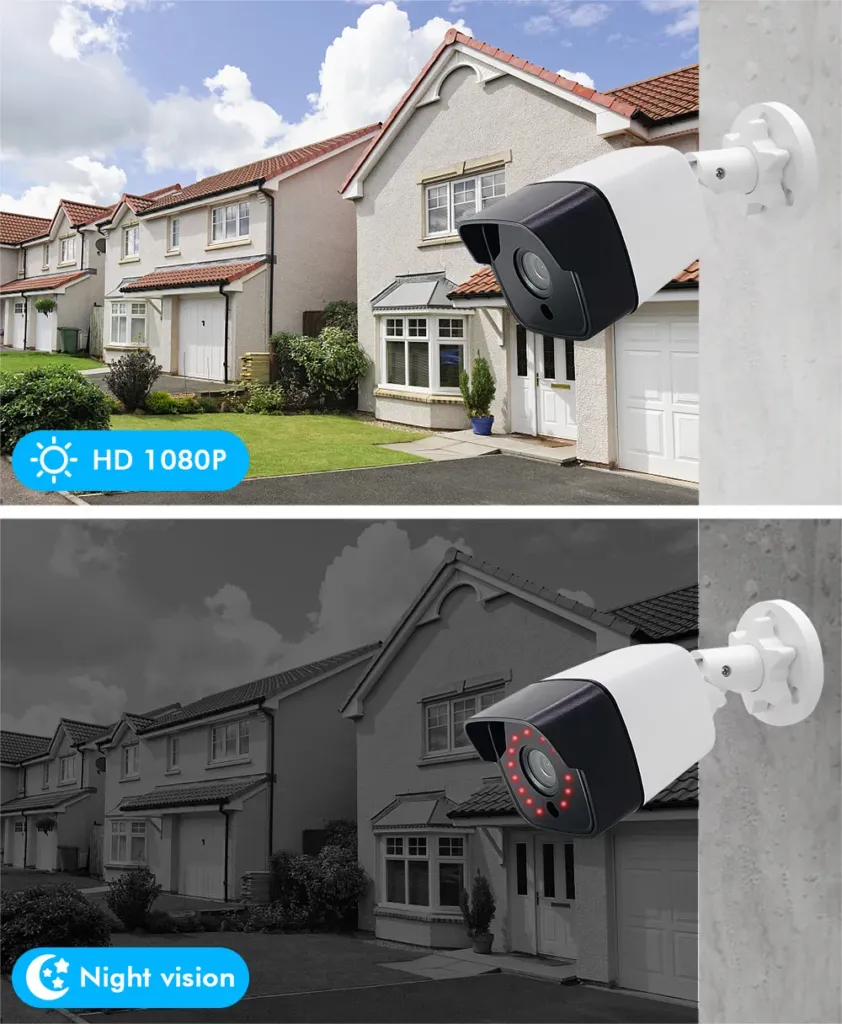
What Customization Options Should an Analog Camera Manufacturer Offer?
Your business is unique, and your security products should reflect that identity. Selling generic cameras under someone else’s brand builds their reputation, not yours. That’s why OEM and ODM services matter—they transform commodities into your proprietary assets.
OEM (Original Equipment Manufacturer) services let you place your logo on existing products. ODM (Original Design Manufacturer) goes further—the manufacturer creates custom designs exclusively for you. Both options serve different business needs, but neither beats selling unbranded products. I’ve watched integrators double their margins simply by switching to branded products.
| Service Type | Cost Range | Best For |
|---|---|---|
| Branding Services | $0.50-$2.00/unit | Logo printing, custom packaging |
| Software Customization | $5,000-$50,000 one-time | Interface redesign, app white-labeling |
| Hardware Modifications | $1-$5/unit | Power supply, lens options |
Look for manufacturers offering complete customization suites. Logo printing and custom packaging create a professional presentation. Software integration—including interface redesign and app white-labeling—requires substantial upfront investment but establishes brand exclusivity. Hardware modifications like custom power supplies or lens options solve specific customer problems.
Companies like JER Tech understand that full OEM/ODM services empower you to build distinct brand identities. Before committing, discuss customization capabilities directly with potential manufacturers. Some offer basic branding only, while others support complete product development.
Full OEM/ODM services let you meet specific customer demands while building lasting brand value.
Conclusions
Choosing the right analog camera manufacturer secures your business future. You must verify their experience, certifications, and delivery speeds. I encourage you to request quotes from your top choices today. A reliable partner makes all the difference in the security industry.

 English
  Español
  Português
  العربية
  Русский
  Français
  日本語
日本語  Türkçe