
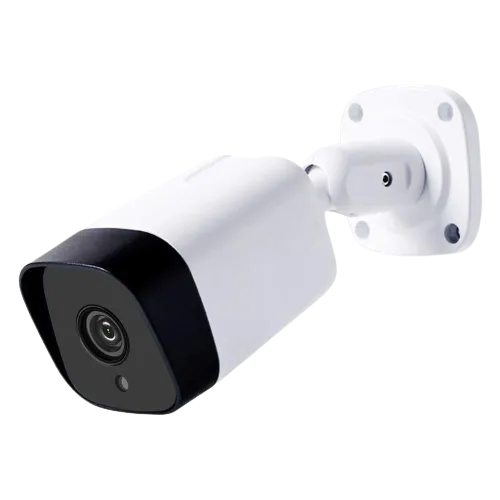
In today’s rapidly evolving security landscape, many business owners find themselves questioning whether their aging analog camera systems still provide adequate protection. With crime rates fluctuating and insurance requirements becoming stricter, the pressure to maintain effective surveillance has never been higher. Understanding the differences between these technologies becomes crucial for making informed security investments. However, the decision involves more than just comparing camera specifications. My claim is simple: Most businesses operating with more than 10-15 cameras will benefit significantly from upgrading to IP systems, not just for better image quality, but for long-term cost savings and enhanced security capabilities that analog simply cannot match.
What Makes Analog and IP Cameras Different from Each Other?
After understanding the fundamental differences between analog and IP cameras, you’re probably wondering whether it’s worth making the switch. I’ve guided hundreds of businesses through this decision, and honestly, the benefits of upgrading often outweigh the initial investment concerns.
The most compelling reason to upgrade lies in future-proofing your security investment. Analog technology has reached its evolutionary dead end – there’s simply no more room for meaningful improvements. Meanwhile, IP cameras continue advancing with artificial intelligence, facial recognition, and cloud integration capabilities. Companies that stick with analog systems find themselves increasingly isolated as manufacturers phase out legacy support.
Budget planning becomes significantly easier with IP systems. Instead of replacing entire infrastructures, you can upgrade cameras individually or add coverage zones incrementally. This flexibility proves invaluable during business expansion or when addressing specific security vulnerabilities.
| Upgrade Factor | Analog System | IP System |
|---|---|---|
| Installation Cost | Lower initial | Higher initial, lower long-term |
| Scalability | Complete overhaul required | Add cameras individually |
| Remote Access | Limited/expensive | Standard feature |
| Future Support | Declining | Continuously improving |
For businesses serious about security, professional consultation helps determine optimal timing and approach for system upgrades, ensuring maximum return on investment.
Does Higher Resolution Really Matter for Security Footage?
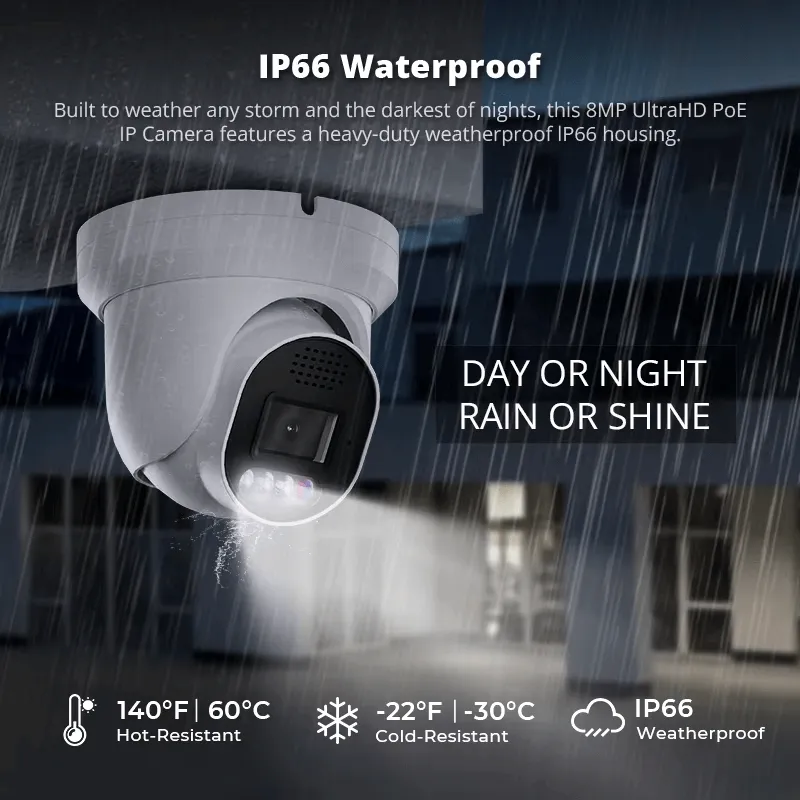
Having explored the architectural differences between analog and IP systems, the resolution gap becomes the most visible manifestation of these underlying technologies. I’ve conducted countless demonstrations where clients literally gasp at the image quality difference – it’s that dramatic.
The numbers tell a stark story about investigative capabilities. Analog footage might capture the general outline of an incident, but IP cameras provide the forensic detail that actually solves cases. I’ve seen too many business owners frustrated by analog recordings that show “something happened” without providing actionable evidence for insurance claims or police investigations.
Consider the practical implications during real security events. That grainy analog footage showing a figure near your loading dock won’t help identify the perpetrator, but a 4K IP camera can capture facial details from 30 feet away. License plates that appear as white blurs on analog systems become clearly readable at distances exceeding 100 feet with modern IP technology.
| Detail Level | Analog Camera | 4K IP Camera |
|---|---|---|
| Facial Recognition Range | 5-8 feet | 20-25 feet |
| License Plate Reading | 15-20 feet | 80-100 feet |
| Digital Zoom Quality | Pixelated/unusable | Maintains detail |
| Evidence Admissibility | Often questioned | Court-ready quality |
Law enforcement agencies increasingly reject low-resolution footage as inadmissible evidence. Insurance companies follow similar standards, often denying claims based on inadequate video documentation. Professional security assessments from certified specialists can help determine the resolution requirements specific to your facility’s risk profile and legal obligations.
Can Fewer IP Cameras Cover the Same Area as Multiple Analog Units?
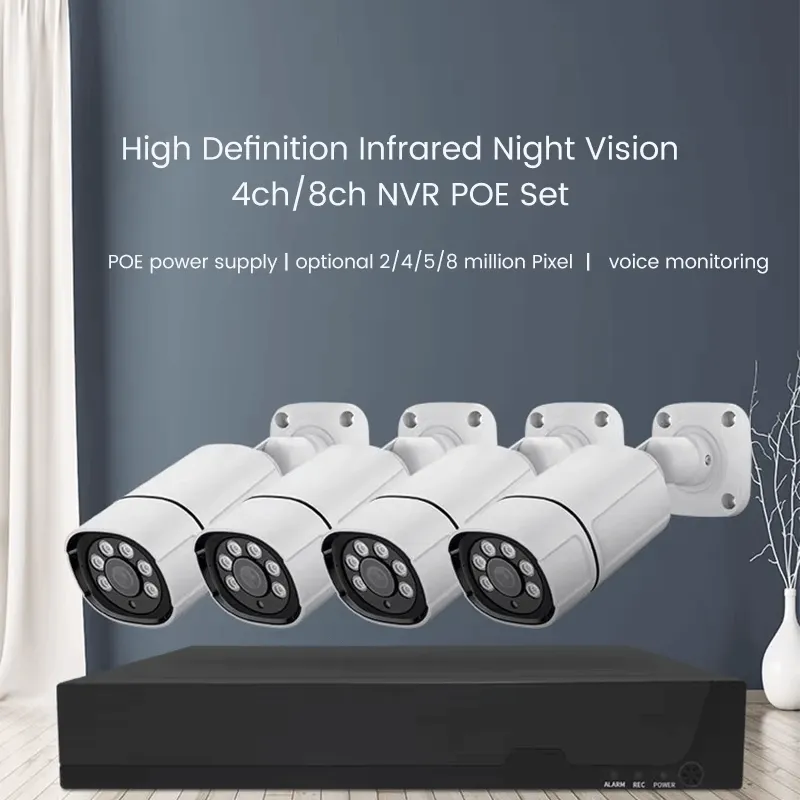
The superior resolution capabilities we’ve discussed translate directly into reduced camera requirements – a factor that surprises many facility managers during security planning sessions. I’ve calculated countless installations where businesses assumed they needed the same number of IP cameras as their existing analog units, only to find they could achieve better coverage with significantly fewer devices.
The coverage mathematics work in your favor with modern IP technology. A typical warehouse that required 15 analog cameras for comprehensive monitoring might need only 5-6 strategically positioned 4K IP units. This isn’t just about cost savings – it’s about eliminating the maintenance headaches that come with managing dozens of separate devices.
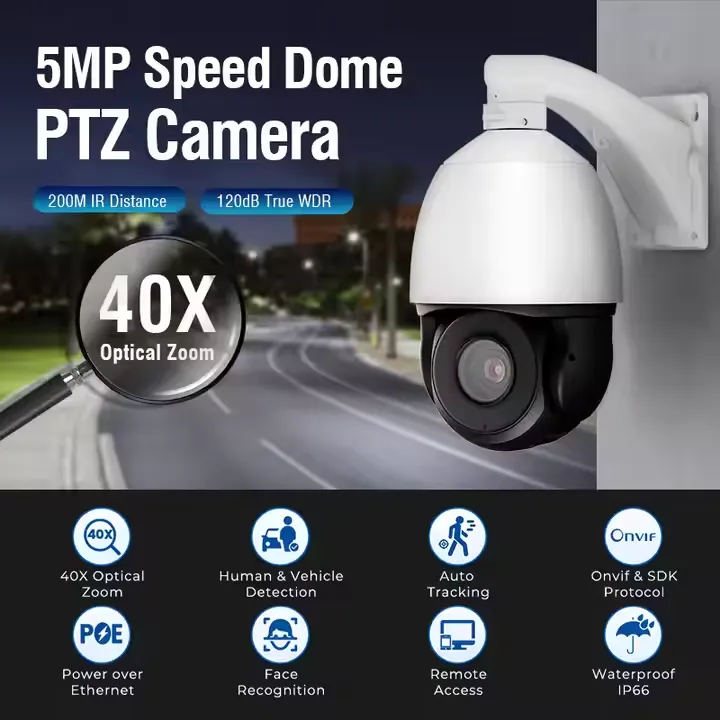
Panorama and 360-degree IP cameras represent the ultimate coverage efficiency. These units effectively replace corner installations that previously required 3-4 analog cameras, providing seamless monitoring without blind spots. The ability to digitally pan, tilt, and zoom during playback means investigators can follow incidents across the entire field of view without switching between multiple camera feeds.
| Installation Type | Analog Cameras Needed | IP Cameras Needed | Reduction Percentage |
|---|---|---|---|
| Small Retail Store | 8-10 cameras | 3-4 cameras | 65% |
| Parking Lot | 12-15 cameras | 4-5 cameras | 70% |
| Warehouse Floor | 15-20 cameras | 5-7 cameras | 68% |
| Office Building | 20-25 cameras | 7-9 cameras | 64% |
This dramatic reduction in hardware requirements translates to lower mounting costs, simplified cable management, and reduced ongoing maintenance schedules. Professional security assessments can calculate the exact camera count needed for your specific facility, often revealing savings that exceed initial upgrade investments.

What Advanced Features Make IP Cameras Worth the Investment?
Having established that fewer IP cameras can cover larger areas, the real value proposition emerges through their intelligent capabilities that analog systems simply cannot match. I’ve watched countless clients realize they’re not just buying cameras – they’re investing in a complete business intelligence platform.
The smart analytics capabilities transform static surveillance into proactive security management. Motion detection algorithms now distinguish between delivery trucks, stray cats, and actual security threats, dramatically reducing those 3 AM false alarm calls that plague analog systems. Line-crossing detection automatically alerts you to perimeter breaches, while loitering detection identifies suspicious behavior patterns before incidents escalate.
Beyond security, these features generate surprising operational insights. Retail clients use people counting to optimize staffing levels during peak hours, while heat mapping reveals customer traffic patterns that inform store layout decisions. Manufacturing facilities leverage facial recognition for access control integration, eliminating separate badge systems.
The two-way audio feature particularly impresses business owners. Instead of just recording break-ins, you can actively deter criminals or communicate with delivery personnel remotely. Smartphone integration means you’re never truly away from your business – a crucial advantage for traveling executives.
| Feature CategoryAnalog CapabilityIP Camera Capability | ||
|---|---|---|
| Motion Detection | Basic movement only | Human/vehicle/animal distinction |
| Communication | None | Two-way audio |
| Remote Access | Limited/expensive | Smartphone integration |
| Analytics | Post-incident review only | Real-time behavior analysis |
Professional security consultations from certified specialists help identify which advanced features provide the greatest operational value for your specific business requirements.
How Do Installation Costs Compare Between Analog and IP Systems?
Beyond the impressive features we’ve explored, the cost equation often surprises clients during project planning. I’ve seen countless businesses abandon IP camera upgrades after comparing individual unit prices, completely overlooking the installation reality that makes analog systems unexpectedly expensive.
The hidden truth lies in labor complexity. Every analog camera requires two separate cable runs – coaxial for video and power cables for electricity. This dual-cable approach doubles installation time and materials costs. Add signal amplifiers needed for longer runs, plus separate power supplies at each location, and installation expenses escalate quickly.
IP cameras flip this equation through Power over Ethernet technology. A single network cable carries both power and data, cutting installation labor by approximately 40%. Existing network infrastructure can often support new cameras without major modifications. The elimination of separate power supplies and amplifiers further reduces complexity and ongoing maintenance requirements.
| System Size | Analog Total Cost | IP Total Cost | Cost Difference |
|---|---|---|---|
| 8 cameras | $12,000 | $13,200 | +10% analog |
| 16 cameras | $24,000 | $23,100 | -4% IP savings |
| 32 cameras | $48,000 | $42,600 | -11% IP savings |
| 64 cameras | $96,000 | $81,300 | -15% IP savings |
Remote diagnostics and firmware updates eliminate most service calls, reducing five-year maintenance costs by 30-50%. Professional cost analysis from certified installers reveals the true break-even point typically occurs around 14 cameras, with larger installations showing increasingly favorable economics for IP technology.
Will IP Cameras Future-Proof Your Security Investment?
While cost considerations drive immediate decisions, the long-term viability of your security investment depends on technology evolution that strongly favors IP systems. I’ve witnessed countless businesses replacing entire analog infrastructures within 5-7 years because they couldn’t adapt to changing security requirements.
The development pipeline tells the complete story. Manufacturers have essentially abandoned analog innovation, focusing exclusively on IP camera advancement. This means your analog system becomes increasingly outdated while IP cameras receive regular firmware updates that add new capabilities. A camera you purchase today might gain enhanced night vision algorithms, improved cybersecurity protocols, or advanced analytics through simple software updates.
Cloud integration represents another crucial future consideration. Modern businesses demand remote access, automated backups, and disaster recovery capabilities that only IP systems provide. Analog systems remain trapped in isolated, on-premises configurations, while IP cameras seamlessly integrate with hybrid cloud storage strategies.
| Future TechnologyAnalog CompatibilityIP Camera Integration | ||
|---|---|---|
| AI Analytics | Not possible | Native support |
| Cloud Storage | Requires conversion | Direct connection |
| Building Automation | Separate systems | Shared infrastructure |
| Firmware Updates | Hardware replacement | Remote installation |
The convergence with building automation systems creates additional value. IP cameras share network infrastructure with access control, fire safety, and HVAC systems, enabling integrated security ecosystems. Professional future-proofing assessments from certified consultants help identify which emerging technologies will impact your specific facility requirements over the next decade.
Conclusions
The evidence overwhelmingly supports IP camera adoption for most business security applications. While analog systems maintain some relevance in budget-constrained scenarios, the superior image quality, advanced features, and long-term cost advantages make IP technology the logical choice for serious security investments. Consider your specific requirements carefully, but remember that security footage quality often determines whether incidents result in successful prosecutions or insurance claims. The peace of mind from knowing you have reliable, high-definition evidence coverage typically justifies the upgrade investment.

 English
  Español
  Português
  العربية
  Русский
  Français
  日本語
日本語  Türkçe