
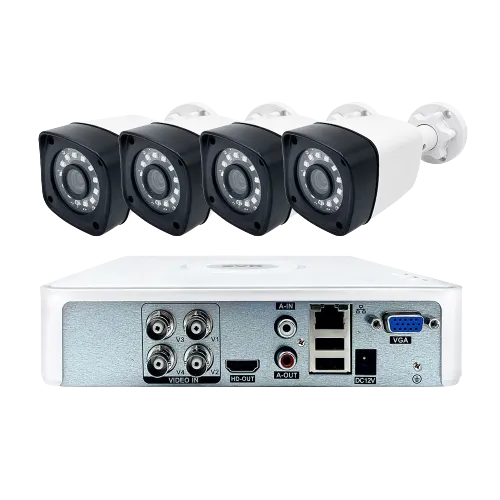
Finding the right AHD camera manufacturer can feel overwhelming, especially when quality issues or poor service lead to project failures, angry clients, and unexpected costs. As someone who’s worked with dozens of manufacturers over 15 years, I’ve learned that the cheapest option often becomes the most expensive mistake. The manufacturers who excel in these areas typically save you 30-40% in total project costs compared to budget suppliers, even with higher upfront pricing. Most integrators focus solely on unit pricing, but the real evaluation requires examining six critical areas: product quality indicators, manufacturing processes, service capabilities, reputation, technology roadmap, and total ownership costs. Each factor directly impacts your project success and long-term client satisfaction. My approach combines hands-on testing with systematic evaluation criteria that I’ve refined through countless successful and failed partnerships. The goal isn’t finding the cheapest cameras – it’s identifying manufacturers who deliver consistent quality, reliable service, and genuine partnership value.
What Makes an AHD Camera Manufacturer Worth Your Trust?
Evaluating AHD camera manufacturers requires a systematic approach that goes beyond flashy marketing materials and price comparisons. I’ve learned that the most reliable method involves examining both tangible product specifications and the less obvious service indicators that reveal a manufacturer’s true commitment to quality.
Start by requesting detailed technical documentation for their core products. Legitimate manufacturers provide comprehensive spec sheets that include exact sensor models, chipset information, and environmental testing results. Companies that offer vague descriptions like “high-performance sensor” or “advanced image processing” typically source generic components and lack the technical depth needed for professional installations.
| Quality Indicator | Professional Grade | Generic Product |
|---|---|---|
| Sensor Specification | Sony IMX323, 1/2.9″ CMOS | “High-definition sensor” |
| Temperature Range | -20°C to +60°C tested | -10°C to +50°C claimed |
| Warranty Response | 48-hour replacement | “Contact distributor” |
The service evaluation process should include testing their technical support responsiveness. Call with a specific technical question and observe whether you reach knowledgeable engineers or order-taking staff. Quality manufacturers like those at professional AHD suppliers assign dedicated technical contacts who understand integration challenges rather than reading from generic troubleshooting scripts.
Sample testing represents your best investment in manufacturer evaluation. Reputable companies offer evaluation units because they’re confident in their quality. During testing, pay attention to image consistency across multiple units, IR performance variations, and how well the cameras handle temperature fluctuations. If you need assistance with evaluation protocols, contacting experienced integrators can provide valuable testing frameworks that reveal quality differences quickly.
How Do You Identify Superior Product Quality in AHD Cameras?
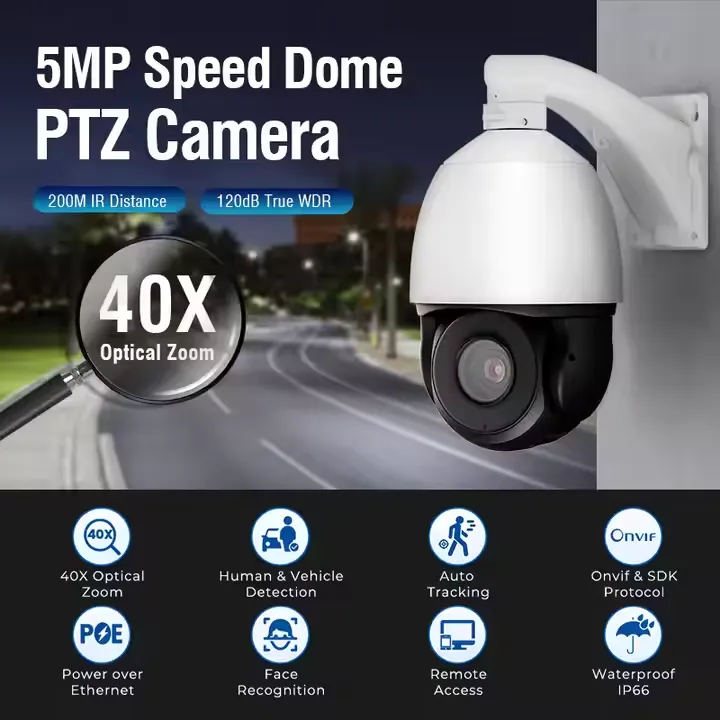
The first telltale sign of superior AHD camera quality lies in the sensor specifications. Sony STARVIS sensors consistently deliver exceptional performance in challenging lighting conditions, with genuine units achieving 0.001 lux sensitivity that makes the difference between usable footage and grainy disappointment. I’ve tested cameras claiming similar performance with generic sensors, and the results aren’t even close – you’ll spot the difference immediately in side-by-side comparisons.
Physical construction reveals quality levels that no amount of marketing can disguise. Professional cameras feature die-cast aluminum housings that dissipate heat effectively and resist corrosion, while budget alternatives use lightweight alloys that warp under temperature stress. The mounting mechanisms tell their own story – quality units have precise threaded adjustments and solid bracket connections that maintain alignment over time.
| Component | Professional Grade | Budget Alternative |
|---|---|---|
| Low-light Performance | 0.001 lux (Sony STARVIS) | 0.1 lux (generic sensor) |
| Operating Temperature | -20°C to +60°C | -10°C to +50°C |
| Housing Material | Die-cast aluminum | Pressed steel/plastic |
| IP Rating Verification | Test documentation provided | Rating claimed only |
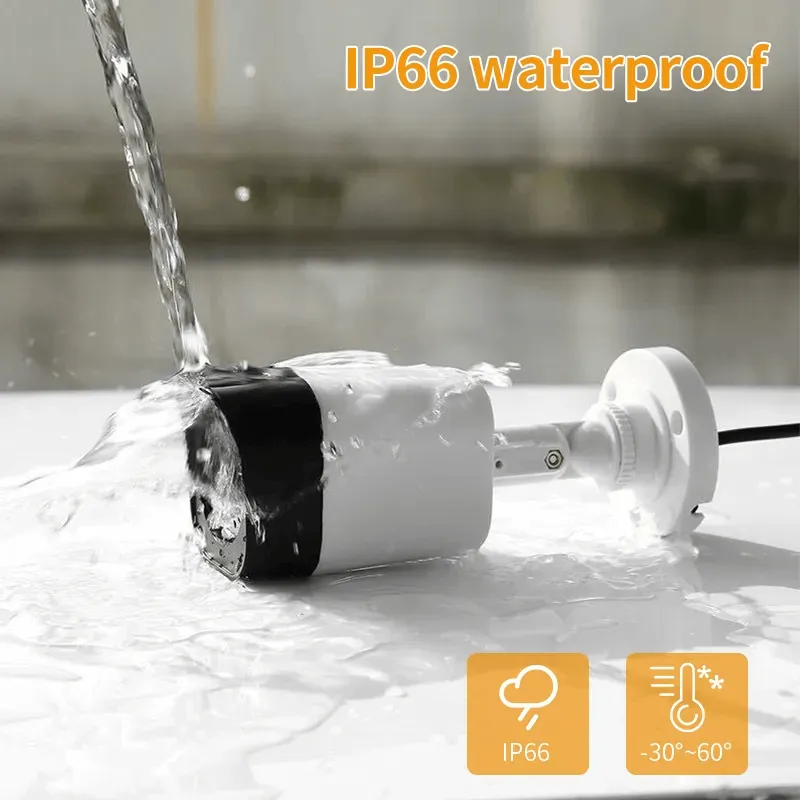
Environmental ratings require verification beyond manufacturer claims. Legitimate IP66/IP67 ratings come with actual test documentation showing water penetration resistance and dust ingress protection. Companies like established AHD manufacturers provide this documentation readily because they’ve invested in proper testing procedures. The temperature specifications matter more than most integrators realize – cameras rated for broader temperature ranges use better internal components and thermal management systems.
Cable connections represent another quality indicator that’s easy to overlook until problems arise. Professional cameras feature gold-plated BNC connectors with proper strain relief, while budget units often use standard connectors that corrode in outdoor environments. If you’re uncertain about specific quality indicators for your project requirements, consulting with experienced professionals can save costly mistakes during the selection process.
Why Does Manufacturing Quality Control Make Such a Huge Difference?
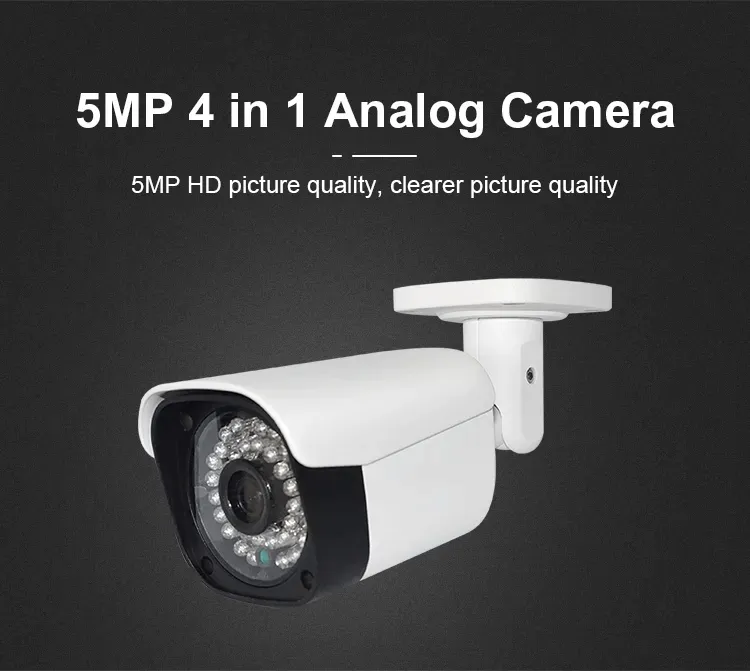
Manufacturing quality control separates reliable suppliers from those who deliver inconsistent products that create project headaches. I’ve tracked failure rates across different manufacturers and found that rigorous QC processes can reduce field failures by 80% compared to companies that rely on final assembly testing alone.
The SMT production environment reveals manufacturing priorities immediately. Professional facilities operate automated placement lines in ISO Class 7 cleanrooms, eliminating the contamination and placement errors common in standard manufacturing environments. These controlled conditions prevent the microscopic particles that cause component failures months after installation.
Burn-in procedures represent the most telling quality indicator. Quality manufacturers run every camera through 24-48 hour stress testing at elevated temperatures before shipping, identifying the 2-3% of units with early failure potential. Budget suppliers skip this step to reduce costs, passing that risk directly to you.
| QC Process | Professional Standard | Budget Alternative |
|---|---|---|
| Production Environment | ISO Class 7 cleanroom | Standard factory floor |
| Testing Coverage | 100% functional testing | Statistical sampling |
| Burn-in Duration | 24-48 hours at 60°C | None or minimal |
| Certification Documentation | Complete test reports | Logo placement only |
Certification legitimacy requires verification beyond logos on product labels. Genuine CE and FCC certifications include detailed EMC test reports and compliance documentation that manufacturers should provide readily. Companies like established manufacturers maintain these records because they’ve invested in proper testing procedures.
Component sourcing practices reveal long-term reliability commitments. Quality manufacturers maintain approved vendor lists for critical components and perform incoming inspection on sensors, processors, and power supplies. If you need to verify specific QC processes for your project, consulting with experienced professionals helps identify which quality control elements matter most for your particular application.
How Can You Evaluate Service Quality Before Committing to a Manufacturer?
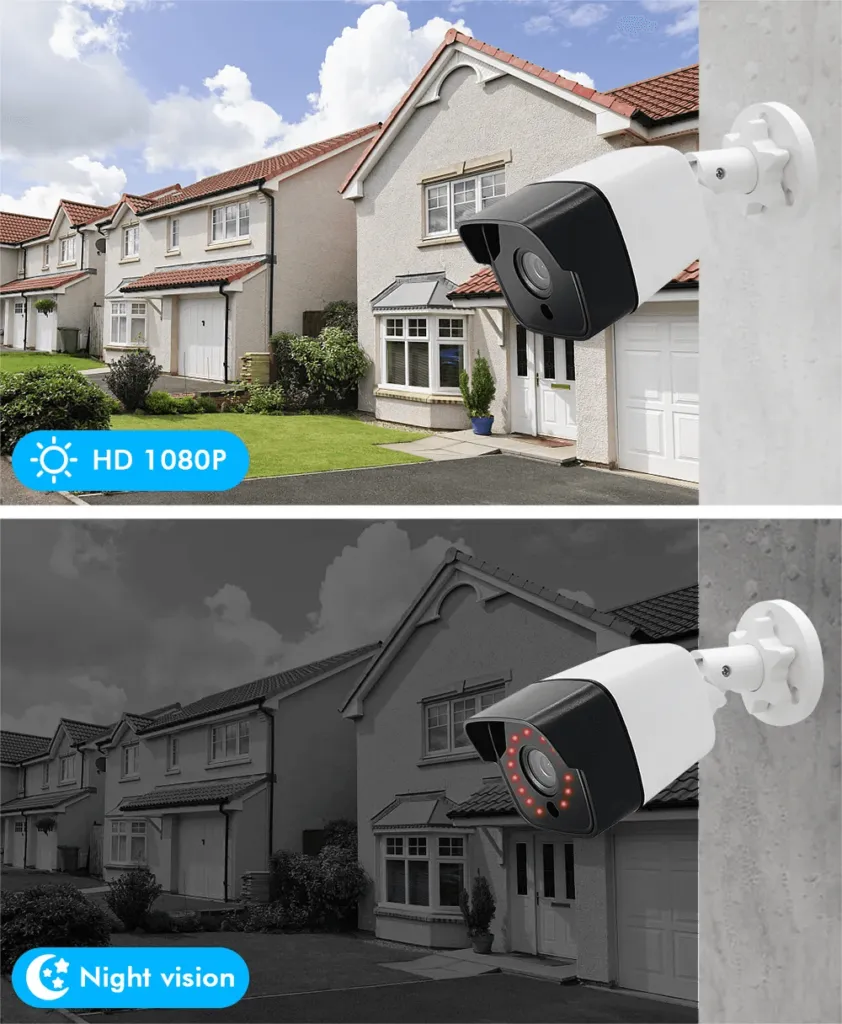
Testing service quality requires proactive evaluation during the selection process rather than hoping for the best after signing contracts. I’ve learned that manufacturers who provide excellent pre-sale support consistently deliver the same quality post-sale, while companies that struggle with basic technical questions during evaluation create ongoing headaches throughout your project.
Start by contacting technical support with specific compatibility questions about your planned installation. Quality manufacturers respond within 4 hours with detailed, technically accurate information from actual engineers rather than sales staff reading from product sheets. Their responses should address your specific configuration challenges, not just generic product capabilities.
Warranty terms reveal manufacturer confidence levels immediately. Professional suppliers offer 2-3 year warranties with advanced replacement programs that ship new units before receiving defective ones, minimizing downtime that could compromise security coverage. Avoid manufacturers who only provide return-to-factory repair with 2-3 week turnaround times – they’re essentially asking you to absorb their quality control failures.
| Service Indicator | Professional Standard | Budget Provider |
|---|---|---|
| Response Time | Under 4 hours | 24-48 hours |
| Technical Contact | Direct engineer access | Sales staff intermediary |
| Warranty Program | Advance replacement | Return-to-factory only |
| Support Duration | 2-3 years minimum | 1 year maximum |
Long-term support policies matter especially for large installations that require consistent product availability over several years. Ask about product lifecycle management, firmware update schedules, and end-of-life replacement model availability. Companies like established AHD manufacturers maintain clear lifecycle roadmaps because they understand that surveillance systems operate for decades, not months.
The evaluation process should include testing their escalation procedures for urgent issues. Quality manufacturers provide multiple contact methods, including direct engineer phone lines for critical problems. If you need guidancein structuring this evaluation process for your specific requirements, consulting with experienced professionals ensures you ask the right questions that reveal actual service capabilities rather than just marketing promises.
What Role Does Manufacturer Reputation Play in Your Decision?
Manufacturer reputation carries weight that goes beyond marketing promises – it represents thousands of real-world installations and the accumulated feedback from integrators who’ve trusted their projects to specific companies. I’ve learned that reputation research requires digging deeper than testimonials on company websites, since those only tell part of the story.
CCTV-specific experience matters more than general electronics manufacturing history. Companies that started in consumer electronics or other industries often underestimate surveillance requirements like 24/7 operation, harsh environmental conditions, and the integration complexity that security systems demand. Their learning curve happens at your expense.
Trade show presence reveals industry commitment levels that you can verify independently. Manufacturers serious about CCTV consistently exhibit at ISC West, ASIS International, and regional security events. Their booth quality, technical presentations, and staff knowledge demonstrate whether they view security as a core business or a side venture.
| Reputation Factor | Strong Indicator | Warning Sign |
|---|---|---|
| Industry Experience | 10+ years CCTV focus | Recent entry from other markets |
| Trade Show Presence | Regular ISC West exhibitor | Absent from major shows |
| Integrator References | Multiple long-term partnerships | Few or recent references only |
| Financial Stability | Steady growth trajectory | Frequent ownership changes |
Financial stability affects your long-term partnership success more than most people consider. Companies experiencing rapid growth or frequent ownership changes often struggle to maintain consistent quality and support levels. Research their business history through industry databases and observe their market presence over time.
Direct integrator feedback provides the most valuable reputation insights. Contact other professionals in your network who’ve worked with potential manufacturers, focusing on how they handled problems rather than just successful projects. Companies like established manufacturers build reputations through consistent problem resolution, not just initial sales success.
Problem handling reveals true character. Research how manufacturers respond to complaints, warranty claims, and technical issues through industry forums and professional networks. If you need assistance connecting with integrator references for specific manufacturers, consulting with experienced professionals can provide insights from multiple project perspectives that help validate reputation claims.
How Do Technology Roadmaps Affect Your Long-Term Partnership Success?
Technology roadmaps separate forward-thinking manufacturers from those who react to market changes after it’s too late. I’ve watched clients get stranded with obsolete equipment because their chosen manufacturer lacked the technical vision to anticipate industry shifts like the ongoing migration from analog to IP systems.
Hybrid AHD/IP capabilities represent the most important roadmap indicator for current decision-making. Manufacturers offering both technologies demonstrate broader technical expertise and provide crucial flexibility for phased upgrades. Clients can start with cost-effective AHD installations while maintaining clear migration paths to IP systems as budgets and requirements evolve.
Firmware update policies reveal long-term support commitment levels that affect your installations for years. Professional manufacturers provide regular security patches, feature enhancements, and bug fixes throughout product lifecycles. Avoid companies that treat firmware as “set and forget” – modern surveillance environments require ongoing updates to address cybersecurity threats and compatibility changes.
| Technology Factor | Advanced Manufacturer | Limited Roadmap |
|---|---|---|
| Platform Support | AHD + IP hybrid solutions | Single technology focus |
| AI Integration | Built-in analytics ready | No AI development plans |
| VMS Compatibility | Milestone/Genetec certified | Generic ONVIF claims only |
| Update Schedule | Quarterly firmware releases | Annual or irregular updates |
VMS integration capabilities indicate serious manufacturer investment in compatibility testing rather than hoping generic standards work perfectly. Look for specific certifications with major platforms like Milestone, Genetec, and Bosch rather than vague “ONVIF compatible” claims that often lead to integration headaches.
Development partnerships with chipset vendors, software companies, and industry organizations typically produce more innovative solutions and better long-term compatibility. Companies like established technology partners invest in these relationships because they understand that surveillance technology evolves rapidly.
AI integration readiness affects future expansion capabilities as analytics become standard requirements rather than premium features. Manufacturers with clear AI roadmaps position your installations for natural technology evolution. If you need assistance evaluating specific technology roadmaps for your project requirements, consulting with experienced professionals helps identify which technical capabilities matter most for your long-term success.
Conclusions
Evaluating AHD camera manufacturers requires a systematic assessment across multiple criteria rather than focusing solely on pricing. Quality manufacturers demonstrate superior products, reliable manufacturing processes, responsive service, solid reputations, clear technology roadmaps, and competitive total ownership costs. Take time to thoroughly evaluate potential partners before committing to large orders or long-term relationships. The investment in proper evaluation will save you high costs and headaches while ensuring successful project outcomes and satisfied clients.

 English
  Español
  Português
  العربية
  Русский
  Français
  日本語
日本語  Türkçe