
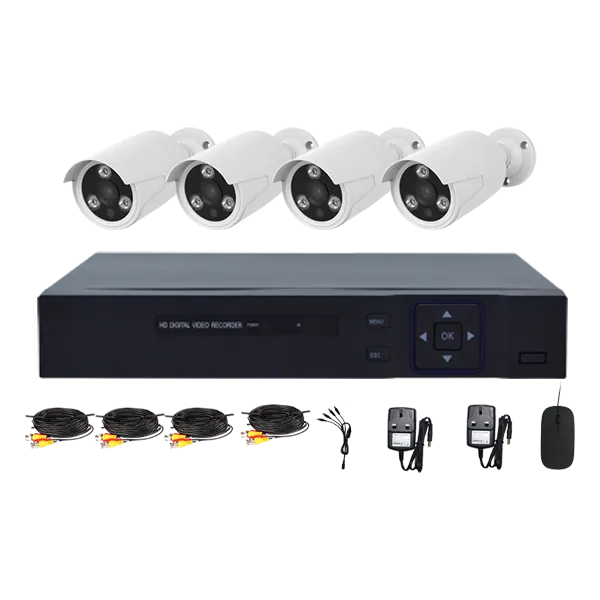
Analog Security Cameras – Are They Still Worth It in 2026?
| Feature | Analog HD (AHD/TVI/CVI) | IP Camera (Network) | Winner for 2026 |
|---|---|---|---|
| Max Resolution | Up to 8MP (4K) | Up to 32MP (8K+) | IP (for ultra-detail) |
| Cabling Distance | 500m (1640ft) over Coax | 100m (328ft) over Ethernet | Analog (Long Range) |
| Latency | Zero Latency (Real-time) | 1-3 Seconds Delay | Analog (Live Monitoring) |
| Cybersecurity | High (Hard to hack remotely) | Moderate (Vulnerable to attacks) | Analog (Security) |
| Installation Cost | Low (Uses existing Coax) | High (Requires new Cat6 cabling) | Analog (Budget) |
| Intelligent Analytics | Basic (Motion Detection) | Advanced (Face ID, Heatmaps) | IP (Intelligence) |
Important Note: This article covers Analog CCTV Security Cameras (AHD/TVI/CVI systems), not film photography cameras.
Are analog cameras still worth buying in 2026? Absolutely. According to recent surveillance market reports, analog CCTV systems still account for approximately 40-50% of global installations. Why? Simple: cost savings, reliability, and cybersecurity. Let’s explore why analog cameras remain a smart choice for businesses in 2026.
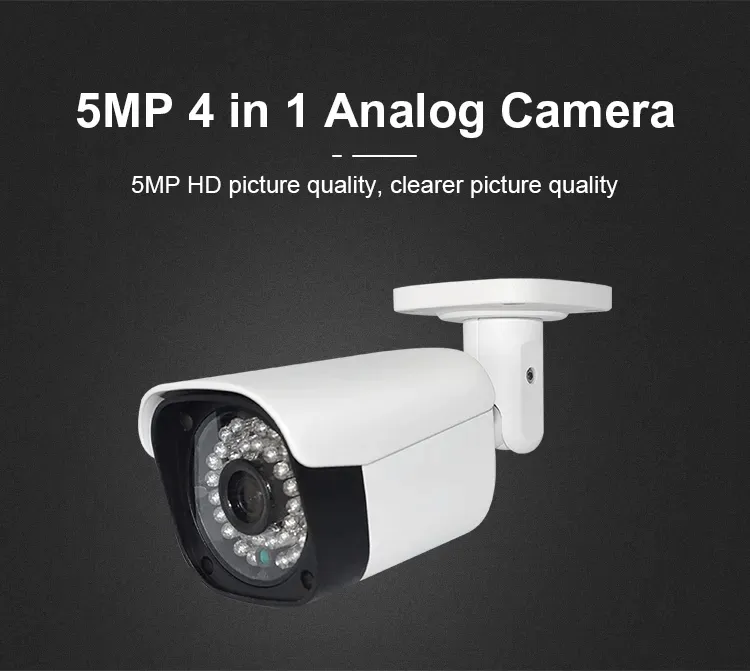
The “Dead Technology” Myth: Why Analog Security Systems Are Growing in 2026
Many people think analog cameras are outdated. However, modern analog systems use Analog High Definition (AHD), delivering crystal-clear video quality up to 4K resolution. These upgraded cameras work with existing coaxial cables, eliminating expensive rewiring costs.
According to industry expert Michael Chen, Security Systems Consultant: “The retrofit market is keeping analog cameras alive. Businesses can upgrade to 4K quality for 70% less than a complete IP system overhaul.”
Millions of buildings worldwide already have coaxial cable installed. Therefore, businesses simply upgrade to new AHD cameras instead of replacing entire infrastructures. Companies like JER Technology continue developing better analog cameras each year, serving retail stores, warehouses, small businesses, government buildings, and manufacturing facilities.

Analog HD vs. IP Cameras: The 2026 Cost-Benefit Breakdown
A quality 5MP analog camera costs about 30-40% less than a similar IP camera. Additionally, installation costs are significantly lower when using existing coaxial infrastructure. Professional installers charge $50-75 per analog camera versus $100-200 for IP cameras requiring new cabling.
As noted by security installation expert Sarah Rodriguez: “If clients have coax cables, upgrading to AHD cameras saves them thousands of dollars.”
Furthermore, analog cameras require minimal maintenance. They don’t need firmware updates, IP configuration, or network switch management. This plug-and-play simplicity reduces downtime and service calls.
| Cost Category | Analog System (20 cameras) | IP System (20 cameras) |
|---|---|---|
| Hardware | $2,800 | $4,500 |
| Installation | $1,000 | $3,000 |
| Cabling | $500 | $1,200 |
| 5-Year Maintenance | $300 | $800 |
| TOTAL | $4,600 | $9,500 |
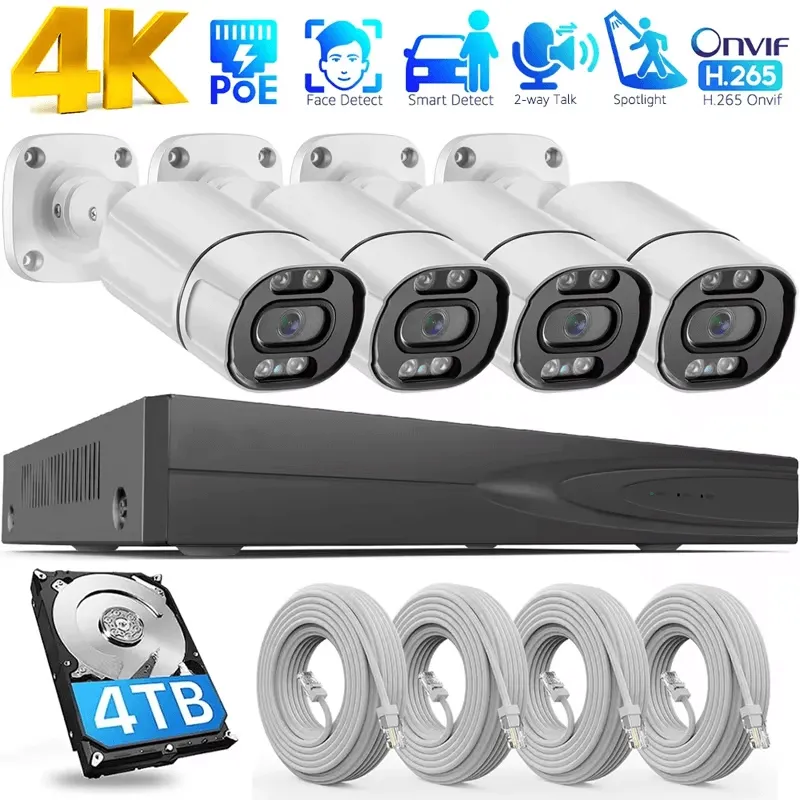
5 Reasons Businesses Still Choose Analog Security Cameras
1. Zero Latency for Real-Time Monitoring
IP cameras have 1-3 seconds delay due to digital processing. Analog cameras send signals instantly through coaxial cables with zero latency. This makes them perfect for security guards using PTZ controls, traffic monitoring, casino surveillance, and industrial safety applications.
2. Hack-Proof – The Cybersecurity Advantage
Analog cameras have no IP address or network connection. According to cybersecurity analyst Dr. James Peterson: “Analog cameras provide ‘air-gapped’ security, making them virtually impossible to hack remotely.” They’re ideal for government facilities, banks, healthcare, and critical infrastructure.
3. Long-Distance Transmission (500m vs. 100m)
Coaxial cables work up to 500 meters without signal loss, while Ethernet cables max out at 100 meters. This makes analog cameras perfect for parking lots, warehouses, farms, and apartment complexes.
4. Durability – 7 to 10+ Year Lifespan
Quality analog cameras from manufacturers like JER Technology regularly last 7-10 years or more. They have no software to become obsolete, unlike IP cameras that stop receiving firmware updates after 3-5 years.
5. 4K Quality Without Ripping Out Cables
Modern 8MP AHD cameras deliver true 4K resolution over existing coaxial cables. You can upgrade from old 720p cameras to 4K without any rewiring, with support for 2MP, 5MP, and 8MP resolutions on the same system.
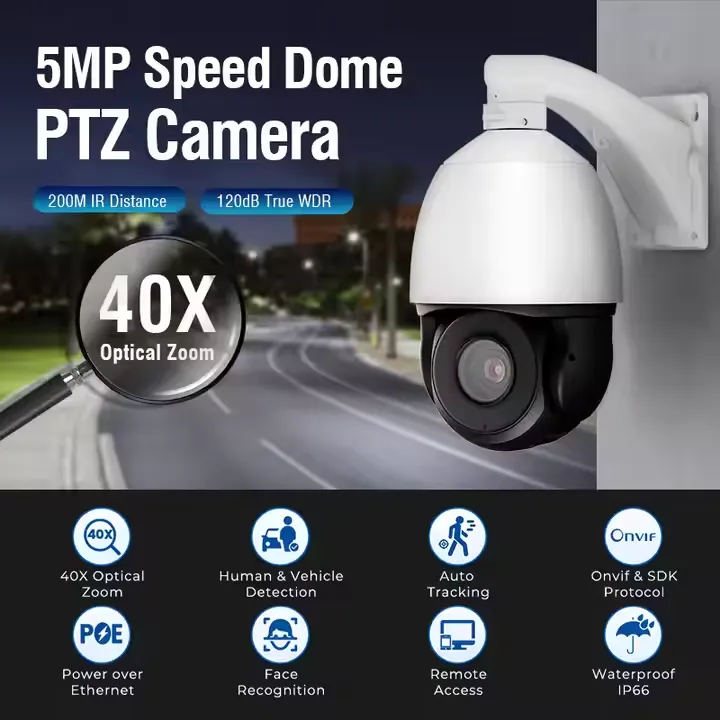
Can Analog Cameras Do 4K Resolution?
Yes, absolutely. Modern AHD cameras use 8-megapixel sensors that capture true 4K video (3840 x 2160 pixels). Your existing RG59 or RG6 coaxial cable works perfectly. You get sharp facial recognition up to 30 feet away, clear license plate reading, and excellent zoom capabilities. The only limitation is that analog cameras max out at 8MP, while IP cameras can reach 32MP or higher.
AHD vs. IP Cameras: What’s the Difference?
AHD cameras capture video and send it as an analog signal to a DVR, which processes and stores it. The camera is simple; the DVR does the work. IP cameras have tiny computers inside that process video internally before sending digital data to an NVR or computer. This makes IP cameras “smart” with features like facial recognition and people counting, but also more expensive and complex.
According to installation specialist David Martinez: “I recommend AHD for reliable, affordable security. I suggest IP cameras when clients need advanced analytics.”
Upgrading Your Legacy System: How to Get 4K Without Rewiring
Upgrading is simple: check your existing RG59/RG6 cable, choose new AHD cameras from JER Technology (2MP, 5MP, or 8MP), upgrade your DVR to one supporting H.265+ compression, then unplug old cameras and connect new ones. Installation takes hours, not days.
Cost comparison: Upgrading to 4K AHD costs $3,800 versus $9,800 for switching to IP – saving you $6,000 (over 60% savings) while getting the same 4K quality.
The Cybersecurity Advantage: Why “Offline” Matters in 2026
IP cameras are common hacker targets. Once compromised, hackers can spy on operations, steal information, or disable systems. Botnets like Mirai have infected millions of IP cameras worldwide. Analog cameras eliminate these threats through physical separation from networks.
As cybersecurity expert Jennifer Wu explains: “Air-gapped systems are the gold standard. When data cannot be compromised, physical separation is the only guaranteed protection.”
Additionally, analog cameras require no firmware updates, saving time and reducing security risks from outdated software. They’re particularly valuable for government facilities, financial institutions, healthcare, critical infrastructure, and legal offices.
Who Should Buy Analog Security Cameras in 2026? (Decision Framework)
Choose Analog If You:
- Have existing coaxial infrastructure
- Need zero-latency monitoring
- Prioritize cybersecurity
- Work with limited budgets
- Need long cable runs (over 100m)
- Want simple, reliable technology
Choose IP If You:
- Need AI analytics (facial recognition, people counting)
- Want wireless installation
- Require resolutions above 4K
- Are building from scratch
How Long Do Analog Security Cameras Last?
Quality analog cameras typically last 7 to 10 years or longer. They have simple electronics, no software to become obsolete, and robust construction. In contrast, IP camera software becomes obsolete after 3-5 years, forcing premature replacement despite functioning hardware.
Proper care extends lifespan: choose quality brands like JER Technology, ensure proper installation, clean regularly, use surge protection, and schedule annual maintenance. Cost per year: Analog systems cost $460/year versus $1,900/year for IP systems – making analog four times more cost-effective.
Final Verdict: Are Analog Cameras Worth It in 2026?
Yes, analog cameras are absolutely worth it for many businesses. They excel in cost (50-70% cheaper), security (hack-proof), performance (zero latency), range (500m transmission), simplicity (plug-and-play), quality (4K available), and durability (10+ years). They’re perfect for retrofitting existing systems, budget-conscious businesses, high-security facilities, large properties, and organizations wanting maintenance-free systems.
Conclusion
Analog security cameras remain an excellent choice in 2026, especially for businesses prioritizing cost-effectiveness, cybersecurity, and reliability. AHD technology delivers 4K resolution, eliminating old quality concerns. Combined with zero latency, hack-proof operation, long-distance capabilities, and exceptional durability, analog cameras solve real problems for real businesses.
Ready to Upgrade Your Security System?
Shenzhen JER Technology Co., Ltd. has manufactured high-quality analog security cameras since 2009. With over 15 years of experience, we deliver reliable cameras with excellent quality at affordable prices.
Our AHD systems offer: Resolutions from 2MP to 8MP (4K), compatibility with existing coaxial cables, plug-and-play installation, competitive pricing, customization options, and 10+ year durability.
Contact JER Technology Today →
Get a free consultation at jer-tech.com and discover how much you can save with modern AHD cameras.

 English
  Español
  Português
  العربية
  Русский
  Français
  日本語
日本語  Türkçe