
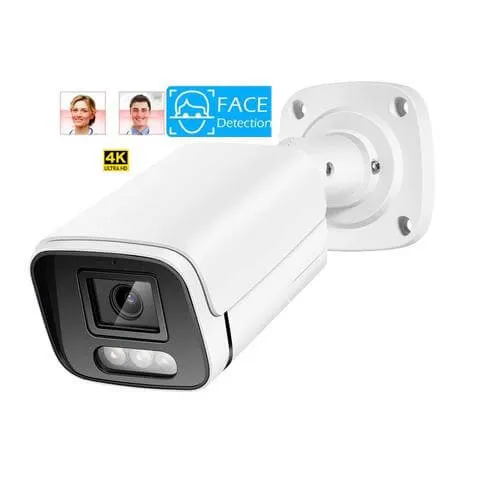
Finding the right partner for security products is often a challenging task for many businesses. You might worry about poor video quality or devices that break after just a few months. Consequently, choosing the wrong supplier can lead to wasted money and frustrated customers. Therefore, knowing how to evaluate IP camera manufacturers is essential for your success. To choose the best partner, you must check specific quality marks and service promises. Look for certifications like CE, FCC, and RoHS to ensure safety compliance. Additionally, top IP camera manufacturers provide warranties of 1 to 3 years. Finally, always test image resolution and low-light performance to verify product quality. We will now explore the exact steps to judge a supplier effectively. This guide will help you ask the right questions before you place an order. By strictly evaluating technical specs and support terms, you secure a reliable supply chain. This approach ensures that you receive high-quality products and peace of mind.
What Are the Key Criteria for Choosing a Manufacturer?
First, you need a clear checklist to judge potential partners properly. Many buyers make the rookie mistake of looking only at the price tag—only to learn later that cheap cameras often come with expensive headaches. However, the true value of IP camera manufacturers lies in their ability to deliver consistent quality. Therefore, you should examine both technical specifications and service standards side-by-side.
Why Technical Specs and Service Must Go Together
You must evaluate image quality metrics like resolution and dynamic range alongside service aspects. A manufacturer might offer impressive specs on paper, but if their support team takes weeks to respond, those specs become meaningless. Certifications such as CE, FCC, and RoHS are also vital signals of compliance—they prove the manufacturer takes regulatory requirements seriously. Furthermore, checking customer reviews provides real-world validation of their claims.
Key Certification Requirements
| Certification | Region | What It Verifies |
|---|---|---|
| CE | European Union | Safety, health, environmental requirements |
| FCC | United States | Electromagnetic interference compliance |
| RoHS | Global | Restriction of hazardous substances |
| IEC 62676-5 | International | Video surveillance system standards |
Start your evaluation by demanding proof of these key indicators. For instance, ask for test reports that verify their resolution claims up to 4K or 8MP—any reputable manufacturer, such as JER Tech, should readily provide this documentation. Also, check if they follow international standards like IEC 62676-5. In short, a manufacturer that cannot provide this data is not ready for serious business.
If a supplier hesitates to share compliance documents or test reports, consider it a warning sign. Reliable partners maintain transparency throughout the evaluation process. For personalized guidance on verifying manufacturer credentials, you can always reach out directly to discuss your specific requirements.
Your Evaluation Checklist
- Request test reports for resolution claims (4K/8MP)
- Verify CE, FCC, and RoHS certifications
- Confirm compliance with IEC 62676-5 standards
- Check customer reviews for service reliability
- Compare technical specs against service response times
The right manufacturer balances technical excellence with dependable support—because a camera that works perfectly but arrives late or lacks technical backing helps no one. Once you have established these baseline criteria, the next logical step involves testing actual performance under real-world conditions.
How Do You Test Image and Video Performance?
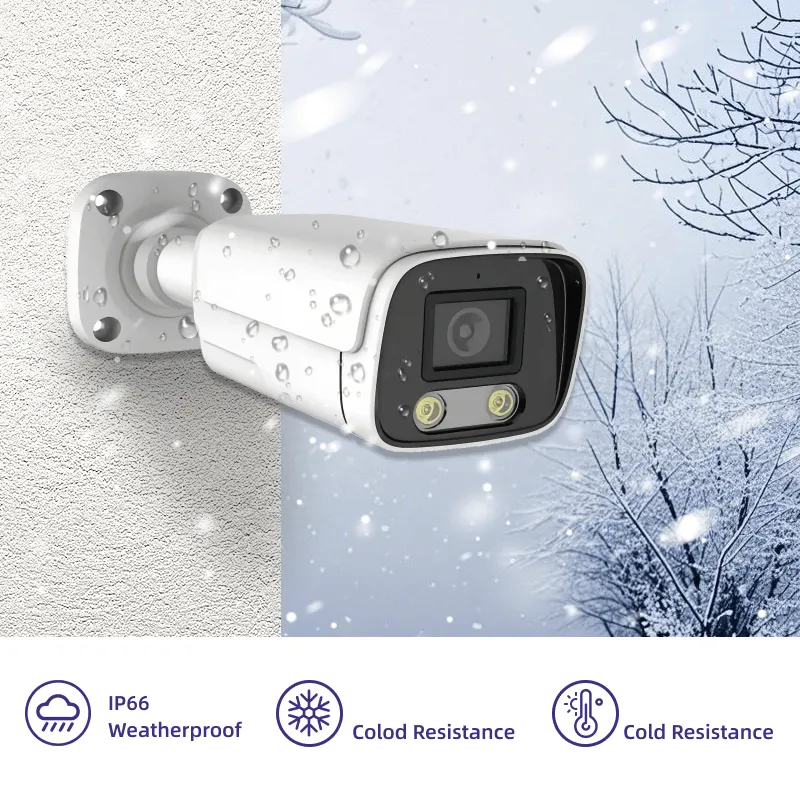
Clear video footage is the main goal of any security camera system—without it, you’re essentially installing expensive paperweights. If a camera cannot capture details at night, it fails its primary purpose. Therefore, testing image performance is a critical step when reviewing IP camera manufacturers.
Market Standards You Should Know
Professional testing requires looking at industry data to understand what is standard. The global market size reached USD 16.9B (75.4M units) in 2026, with projections of USD 17.9B in 2026 and a CAGR of 6.2% to 2035. Asia Pacific holds 53% market share with top brands like Hikvision at 9% and Ring at 10%.
| Metric | Industry Standard |
|---|---|
| Market Size (2025) | USD 16.9B (75.4M units) |
| Projected (2026) | USD 17.9B |
| CAGR to 2035 | 6.2% |
| Asia Pacific Share | 53% |
Essential Performance KPIs
You should prioritize KPIs like low-light sensitivity, IR illumination range, and Wide Dynamic Range (WDR). These determine whether your cameras actually work when conditions get challenging—which is precisely when you need them most. Enterprise leaders typically offer 4K resolution with a superior signal-to-noise ratio. Additionally, you must test for streaming latency to ensure smooth operation.
- Low-light sensitivity: Can the camera see in near-darkness?
- IR illumination range: How far does night vision reach?
- Wide Dynamic Range: Does it handle bright and dark areas simultaneously?
- Streaming latency: Is the feed smooth or frustratingly choppy?
Working with experienced manufacturers like JER Tech ensures you get cameras that meet these performance benchmarks. High-quality imaging ensures that you catch every important detail. Thus, never compromise on performance standards when selecting a supplier—blurry footage helps no one.
For guidance on testing protocols or to discuss specific performance requirements for your installation, feel free to contact our team directly. Once you have confirmed image quality meets your standards, the next consideration shifts to physical durability and long-term reliability.
How Can You Check Reliability and Build Quality?
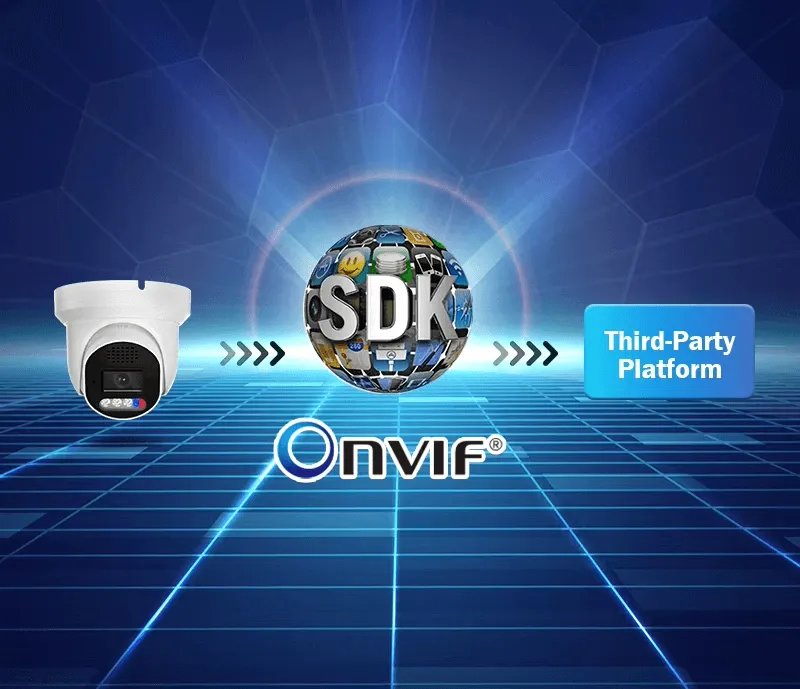
A cheap plastic camera will often break down in harsh weather. To avoid this, you must physically inspect the build quality before buying. Reliable IP camera manufacturers focus heavily on durability and firmware stability—because a camera that cracks under pressure or crashes during updates is worse than no camera at all.
Critical Build Quality Indicators
Assess the firmware stability and power supply compatibility like PoE or AC/DC. Physical inspections should cover durability, heat dissipation, and IP ratings for weather resistance. Furthermore, verify the availability of replacement parts for long-term maintenance. A manufacturer worth your time, such as JER Tech, will readily discuss their component sourcing and housing materials.
Weather and Impact Resistance Standards
| Rating | Protection Type | Ideal Environment |
|---|---|---|
| IP66 | Dust-tight; protection against powerful water jets | Standard outdoor security, heavy rain areas |
| IP67 | Dust-tight; protection against temporary immersion | Flood-prone zones, underground installations |
| IK10 | Protection against mechanical impact (vandalism) | Public spaces, prisons, schools |
Proven factories use strict Quality Control (QC) measures to ensure supply chain reliability. For example, you should check if the camera has an IP66 or IP67 rating for outdoor use. Additionally, ask about their firmware update frequency to ensure the device stays secure against hackers. Outdated firmware is an open invitation for cyber threats, so regular updates are non-negotiable.
- Housing Material: Metal vs. Plastic durability
- Heat Dissipation: Essential for hot climates
- Firmware Updates: Frequency and security patches
A robust device saves you from costly repairs and replacements in the future. If you need clarification on specific durability specs, feel free to reach out to our team. Once the hardware passes the stress test, the next step is evaluating the service standards that keep your system operational.
What Service Standards Should You Expect?
Buying the camera is only the beginning of your relationship with the supplier. If the camera stops working, you need to know that help is available—preferably before your boss starts asking why the security feed went dark. Consequently, the level of after-sales support separates the best IP camera manufacturers from the rest.
Essential Service Requirements
Look for warranties ranging from 1 to 3 years and 24/7 technical support. Quick response times under 24 hours are a must for critical security issues. Also, review their return policies and RMA processes to avoid future headaches. A supplier that vanishes after the sale is about as useful as a screen door on a submarine.
Service Standards Comparison
| Service Aspect | Minimum Standard | Ideal Standard |
|---|---|---|
| Warranty Period | 1 year | 2-3 years |
| Technical Support | Business hours | 24/7 availability |
| Response Time | 48 hours | Under 24 hours |
| Tech Support Duration | Warranty period only | Lifetime support |
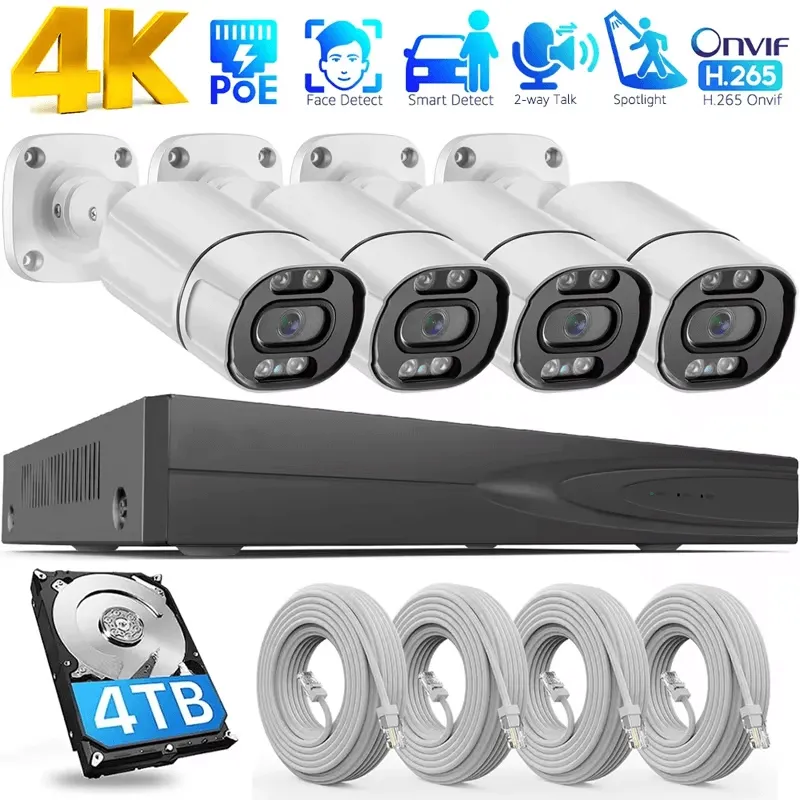
For instance, Shenzhen JER Technology Co., Ltd sets a strong example in this area. They offer full OEM/ODM services and respond to inquiries within 24 hours. With over 15 years of experience, they provide tailored solutions and lifetime tech support. You can learn more about their service approach at JER Tech. This level of service is exactly what you should look for in a partner.
- Warranty: 1-3 years coverage on hardware
- Response Time: Under 24 hours for critical issues
- OEM/ODM: Customization capabilities for your needs
- Lifetime Support: Ongoing technical assistance
Good support guarantees that your business runs smoothly without long downtimes. If you need clarification on service terms or want to discuss specific support requirements, feel free to contact the team directly. Once you have confirmed that the service standards meet your needs, the next step involves investigating the supplier’s history and track record.

Why Does Company History Matter When Choosing a Supplier?
New companies may offer low prices, but they often lack stability—that bargain price means little if the company disappears before your warranty expires. You need a partner who will be around to honor your warranty. Therefore, checking the history and reputation of IP camera manufacturers is a smart move.
Experience Requirements Worth Checking
Choose manufacturers with over 10 years of history and a global client base. Established companies have refined their production processes over time, learning from mistakes that newer competitors have yet to encounter. Additionally, check testimonials to see if other clients trust them.
| Experience Level | Risk Assessment | Recommended Action |
|---|---|---|
| Under 5 years | High risk—unproven track record | Proceed with caution |
| 5-10 years | Moderate risk—establishing processes | Verify client references thoroughly |
| 10+ years | Lower risk—proven stability | Preferred choice for partnerships |
| 15+ years | Lowest risk—industry veterans | Ideal for long-term collaboration |
A long history usually means they have solved many production problems already. For example, serving distributors in North America and Europe requires high standards that only experienced manufacturers can consistently meet. Companies like JER Tech have spent over 15 years building the expertise and global relationships that ensure reliable delivery.
- Years in Business: 10+ years indicates stability
- Global Client Base: Serves North America, Europe, Asia
- Client Testimonials: Real feedback from real customers
- Market Presence: Established distribution networks
Client testimonials that praise reliability and quality are worth their weight in gold. Ultimately, a proven track record gives you peace of mind that your supply chain is safe. To verify credentials or discuss partnership opportunities with an established manufacturer, you can always reach out directly for detailed company information.

Conclusions
Finding the right manufacturer requires careful checks on quality and service. You must verify certifications, test image performance, and inspect build quality. Additionally, strong after-sales support is vital for long-term success. By following these steps, you can partner with reliable IP camera manufacturers like JER Technology. This ensures your customers receive the best security solutions available.

 English
  Español
  Português
  العربية
  Русский
  Français
  日本語
日本語  Türkçe