 Skip to content
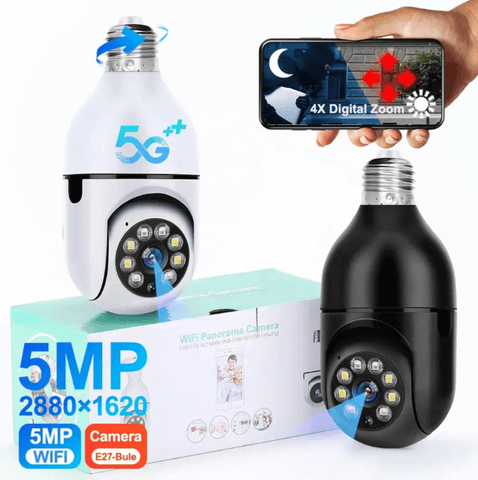
Picture this: you’re at work when your phone buzzes with an alert showing a delivery person at your front door. You speak through your camera to tell them where to leave the package, all while sitting 20 miles away. This isn’t science fiction anymore—it’s the reality that WiFi home security cameras have created for millions of homeowners worldwide. WiFi home security cameras are experiencing explosive growth with a 15.09% CAGR from 2025-2032, transforming from luxury gadgets into essential home security tools. The wireless segment alone is projected to reach $28.94 billion by 2032, driven by affordability, smartphone integration, and DIY installation simplicity. As someone who’s worked in the security industry for over a decade, I’ve witnessed this remarkable transformation firsthand. The shift from complex, expensive wired systems to user-friendly WiFi cameras represents one of the most significant changes in home security technology. The surge in WiFi camera adoption isn’t just a trend—it’s a fundamental shift in how we approach home security. Modern homeowners demand flexibility, affordability, and instant access to their security systems, and WiFi cameras deliver on all fronts.
What Makes WiFi Cameras So Much Easier Than Traditional Security Systems?
As someone who’s helped countless homeowners transition from complex security systems to modern WiFi cameras, I can tell you the difference is like comparing a flip phone to a smartphone. The transformation has been nothing short of remarkable.
Remember those days of waiting weeks for security installers, watching them drill holes through your beautiful walls, and then dealing with a spider web of cables? I’ve seen homeowners literally cringe as technicians ran wiring through their freshly painted rooms. Those headaches are now ancient history.
Today’s WiFi cameras connect directly to your existing wireless network, eliminating every single cable-related frustration. You’re essentially adding another smart device to your home – think of it like connecting a new tablet or streaming device. The setup process involves downloading an app, scanning a QR code, and you’re streaming live video within minutes.
What really excites me about this shift is how it’s democratized home security. I’ve watched 75-year-old grandparents install their own systems and college renters secure their apartments without violating lease agreements. The technology evolution has made professional installation completely optional rather than mandatory.
The flexibility factor cannot be overstated. Unlike traditional wired systems that become permanent fixtures, WiFi cameras travel with you. Moving to a new bedroom? Grab the camera and relocate it. Switching apartments? Pack them up like any other electronic device. This mobility has fundamentally changed how people think about security investments.
For anyone still hesitating about making the switch, professional guidance can help you choose the right system for your specific needs. The wireless revolution isn’t coming – it’s already here, and it’s transforming home security one household at a time.

How Fast Is the WiFi Security Camera Market Actually Growing?
The numbers behind WiFi camera adoption tell a story that even surprised me as someone tracking this industry for years. We’re looking at growth rates that make other consumer electronics look sluggish by comparison.
Multiple market research firms have documented consistent double-digit growth across all wireless security camera segments. The projections are genuinely impressive: Wireless Home Security Cameras are expected to grow from $9.49 billion in 2024 to $28.94 billion by 2032, representing a robust 15.09% compound annual growth rate.
| Market Segment | 2024 Value | 2032 Projection | CAGR |
|---|---|---|---|
| Wireless Home Security Cameras | $9.49 billion | $28.94 billion | 15.09% |
| Smart Home Security Cameras (Overall) | Not specified | $56.47 billion | 21.7% |
What fascinates me most is how the wireless subset is actually growing faster than many traditional tech categories. This isn’t artificial hype – it represents genuine consumer preference shifts. North America leads with 38% market share, while Asia-Pacific captures 25% and shows the fastest regional growth globally.
The geographic spread tells us this isn’t just an American trend. Homeowners worldwide are choosing WiFi cameras over traditional systems, creating a permanent shift in security preferences. This technological transition reflects real user demand rather than marketing pressure, which explains why growth rates remain consistently strong year after year.
For professionals like myself helping clients navigate these options, understanding these market dynamics helps explain why wireless solutions have become the default recommendation for most residential applications.
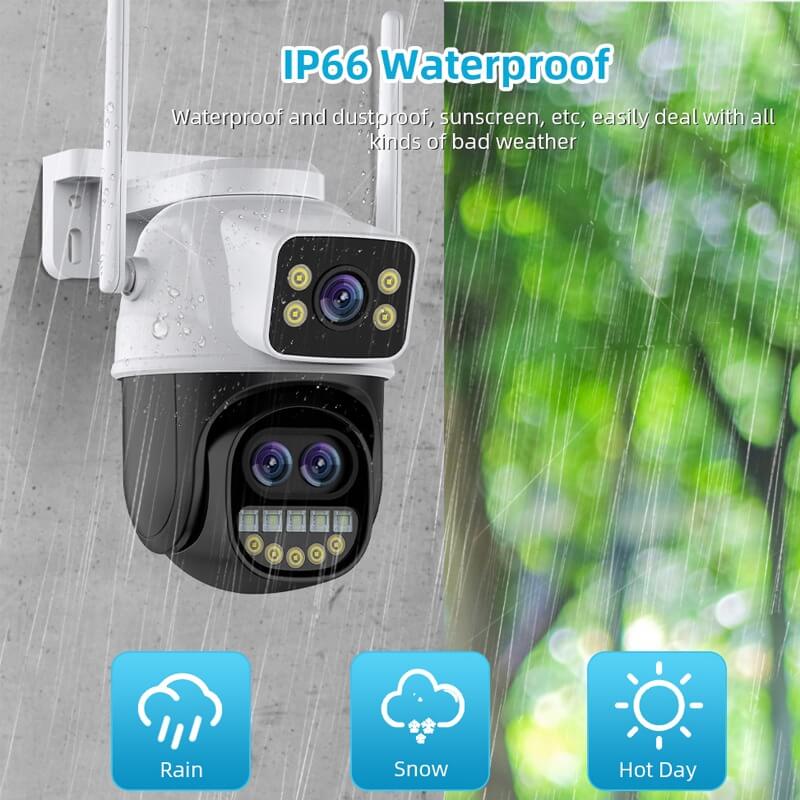
Why Do Homeowners Keep Choosing WiFi Over Professional Security Systems?
Having installed both types of systems throughout my career, I can tell you the user experience difference is absolutely night and day. Professional security systems often involve multi-day installations, signed contracts that resemble mortgage paperwork, and ongoing monthly fees that can be costly.
The cost comparison alone explains why homeowners are flocking to WiFi cameras. Professional security system installation typically costs $1,500-$3,000 upfront, plus $30-$ 60 monthly monitoring fees that can be ongoing. In stark contrast, a complete DIY WiFi camera system costs $200-800 with optional cloud storage around $5-15 monthly.
| System Type | Initial Cost | Monthly Fees | Total 5-Year Cost |
|---|---|---|---|
| Professional Security | $1,500-$3,000 | $30-$60 | $3,300-$6,600 |
| WiFi Camera System | $200-$800 | $5-$15 | $500-$1,700 |
Beyond cost savings, WiFi cameras offer ownership and control that traditional systems simply cannot match. You’re not locked into monitoring contracts; you can access footage directly without calling anyone, and you customize settings through your smartphone app anytime. The flexibility factor cannot be overstated – renters love them because they require zero property modifications, homeowners appreciate gradual system expansion, and parents enjoy checking on kids remotely.
This versatility makes WiFi security solutions appealing to virtually every household demographic. For those needing help choosing the right setup, professional guidance can ensure you maximize these benefits while avoiding common pitfalls.
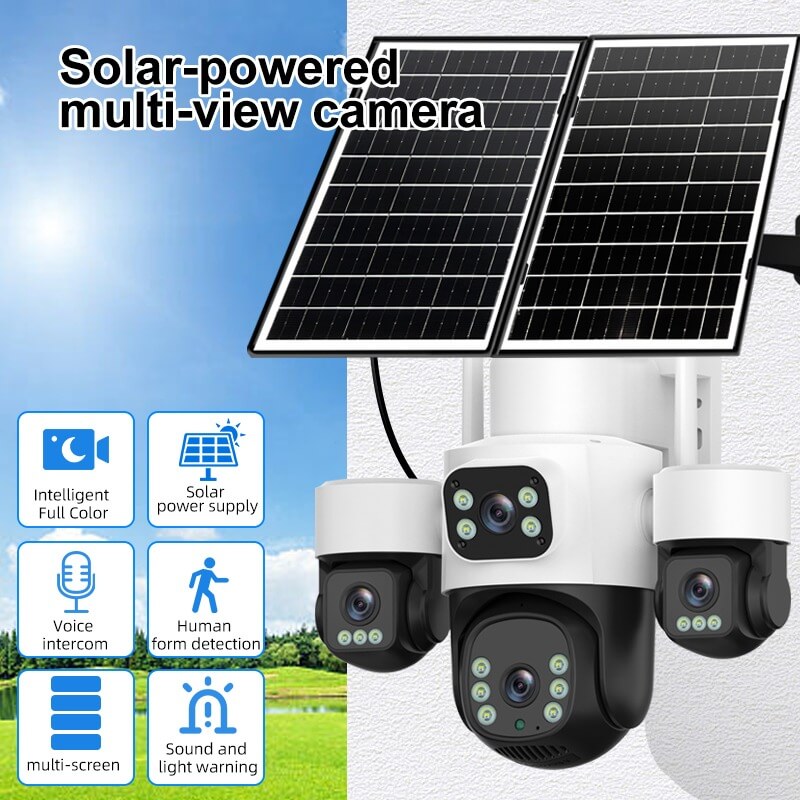
Which Advanced Features Are Driving All This WiFi Camera Adoption?
Modern WiFi cameras pack features that would have seemed like science fiction just five years ago. As someone who’s tested countless models, I can tell you the technology advancement has been absolutely breathtaking – today’s budget cameras often exceed the capabilities of premium systems from the recent past.
Resolution improvements tell the entire story. In 2024, 4K cameras represented approximately 50% of the wireless home security camera market by resolution. Most consumers now expect ultra-high-definition footage as standard equipment, not premium upgrades, with 2K becoming the new entry-level expectation.
| Feature Category | Current Capabilities | Previous Generation |
|---|---|---|
| Video Resolution | 4K HDR standard | 1080p premium |
| Night Vision | Color night vision | Black/white infrared |
| Motion Detection | AI person/vehicle detection | Basic motion sensors |
| Audio | Two-way communication | Recording only |
Current WiFi cameras offer remarkable capabilities: 4K resolution with HDR recording, AI-powered person and vehicle detection, color night vision that actually works, two-way audio communication, smart motion zones with scheduling, seamless voice assistant integration, flexible cloud and local storage options, plus real-time push notifications.
The AI analytics deserve special mention because they solve the false alarm problem that plagued earlier motion detection systems. Instead of alerting you every time a leaf blows by, these cameras intelligently distinguish between actual threats and harmless movement.
These features combined create a security system that’s genuinely enjoyable to use rather than a necessary chore. The technological sophistication has reached the point where security becomes effortless, and for those needing help navigating all these options, professional guidance ensures you choose features that actually matter for your specific situation.
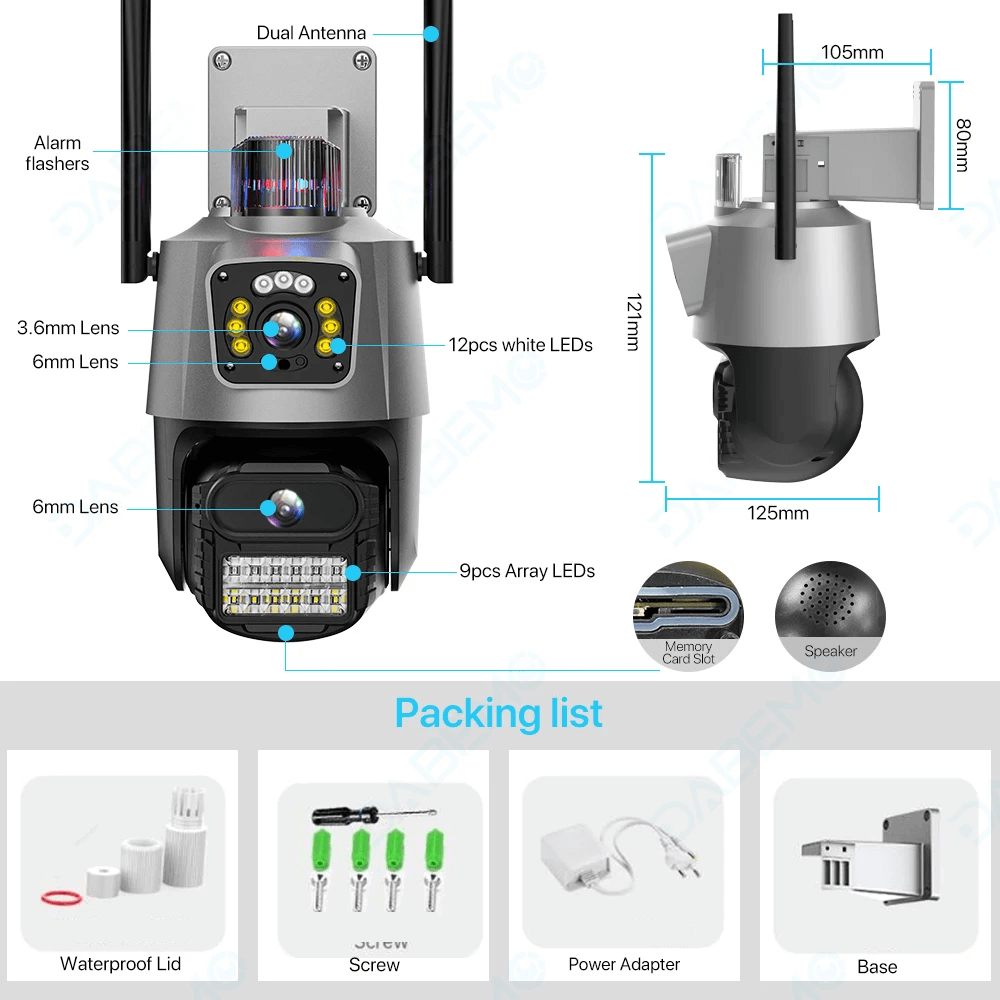
How Do WiFi Cameras Fit Into the Broader Smart Home Revolution?
WiFi security cameras have evolved far beyond standalone security devices into central components of integrated smart home ecosystems. This transformation explains much of their current market momentum and why I’m constantly recommending them to clients looking for comprehensive home automation solutions.
Smart home integration capabilities now include voice control through Alexa or Google Assistant, automated lighting triggers upon motion detection, and coordination with smart locks for seamless package delivery management. These connections create value that extends far beyond simple security monitoring – they’re turning cameras into the nervous system of modern homes.
The indoor versus outdoor deployment patterns reveal fascinating usage trends. Indoor cameras account for approximately 39.8% of smart home security camera revenue in 2024, often serving dual purposes as baby monitors, pet cameras, and general home monitoring devices. Outdoor cameras focus more traditionally on security and deterrence.
| Camera TypeMarket SharePrimary Usage | ||
|---|---|---|
| Indoor WiFi Cameras | 39.8% | Multi-purpose monitoring |
| Outdoor WiFi Cameras | 60.2% | Security and deterrence |
Regional adoption patterns reflect different smart home maturity levels. North American consumers often integrate cameras with existing home automation systems, while Asia-Pacific buyers frequently use cameras as entry points into smart home ecosystems. Both approaches drive continued market expansion as users add complementary devices over time.
This ecosystem approach is why smart security solutions have become so compelling – they grow with your needs rather than limiting them. For homeowners planning integrated systems, professional consultation ensures all components work together seamlessly from day one.
What Should You Actually Look for When Choosing WiFi Security Cameras?
After helping hundreds of customers select camera systems, I’ve learned to separate the factors that truly matter from marketing fluff that sounds impressive but provides little real value. The sheer number of options can feel overwhelming, but focusing on core criteria simplifies the decision significantly.
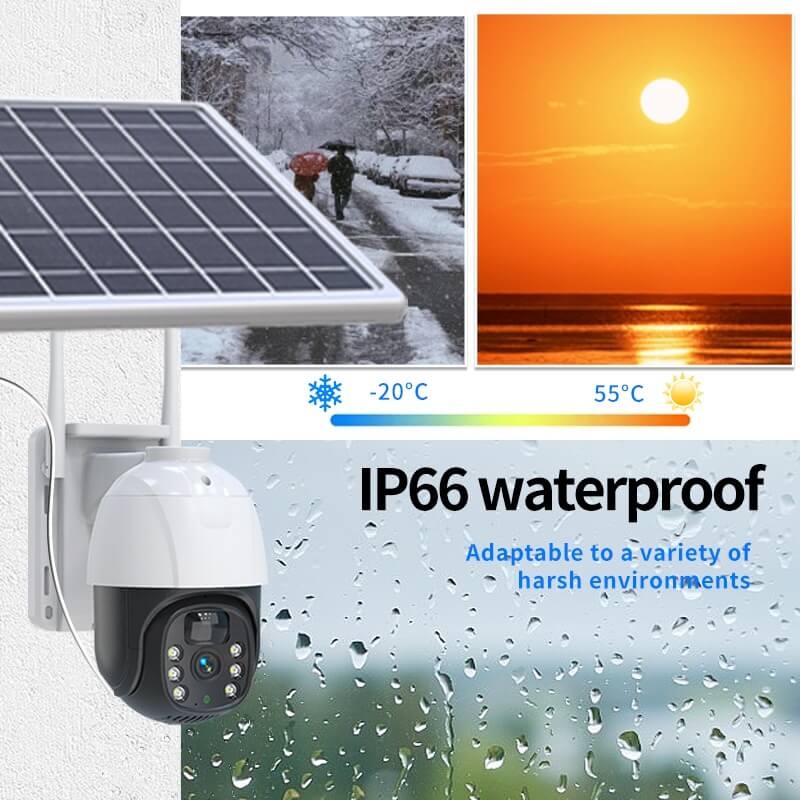
Essential selection criteria include 2K minimum resolution (with 4K preferred for future-proofing), color night vision quality that actually works in darkness, AI detection accuracy for person and vehicle identification, both cloud and local storage options for flexibility, responsive mobile apps with intuitive controls, IP65 weather resistance rating for outdoor installations, and appropriate power options that match your setup.
| Feature | Minimum Standard | Premium Option |
|---|---|---|
| Resolution | 2K (1440p) | 4K (2160p) |
| Night Vision | Color capable | Full-color HDR |
| Weather Rating | IP65 | IP67 |
| Storage | Cloud or local | Both options |
The manufacturer selection matters more than many buyers realize. Established companies provide regular firmware updates, responsive customer support, and long-term app compatibility. Newer brands might offer attractive pricing but could disappear, leaving you with orphaned devices that become expensive paperweights.
Professional manufacturers bring valuable expertise to WiFi camera development. Their experience in wireless security technology, quality control processes, and after-sales support can make the difference between a reliable security system and an expensive collection of malfunctioning gadgets. For guidance selecting the right manufacturer and features, professional expertise helps navigate these critical decisions, and expert consultation ensures you choose cameras that will serve you reliably for years.
Conclusions
The WiFi home security camera revolution represents more than just technological advancement—it reflects a fundamental shift toward user-controlled, flexible security solutions. With market growth exceeding 15% annually and features constantly improving, these devices have moved from novelty to necessity for modern homeowners. As someone who’s witnessed this transformation, I can confidently say we’re still in the early stages of what WiFi cameras will ultimately accomplish. The combination of affordability, ease of installation, advanced features, and smart home integration makes WiFi cameras the clear choice for today’s security-conscious homeowners who demand both protection and convenience.

 English
  Español
  Português
  العربية
  Русский
  Français
  日本語
日本語  Türkçe