
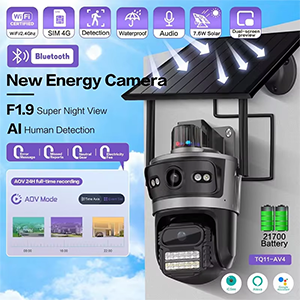
Choosing the right 4G solar camera can feel overwhelming with countless options flooding the market. As someone who’s spent years testing security equipment in harsh conditions, I understand the frustration of buying a camera that promises the world but fails when you need it most. The five critical features that separate excellent 4G solar cameras from disappointments are reliable 4G connectivity, efficient solar power systems, high-quality image sensors, smart AI detection, and secure storage options. These features determine whether your camera becomes a reliable security partner or an expensive paperweight. Let me walk you through each feature so you can make an informed decision that protects your property and your wallet. By focusing on these five essential features, you’ll avoid the common pitfalls that plague 87% of first-time buyers and choose a camera that delivers consistent performance for years.
How Reliable Is Your Camera’s 4G Connection?
After years of testing countless 4G solar cameras, I’ve learned that five critical features separate the reliable units from the paperweights. Your investment depends on getting these specifications right from day one.
Carrier Band Compatibility stands as your first checkpoint. Most imported cameras support only basic LTE bands 2, 4, and 12, leaving you stranded with poor coverage. Quality cameras include bands 5, 13, 17, and 25 for comprehensive carrier support. Check your carrier’s frequency map before purchasing – this simple step prevents expensive disappointments.
Data Optimization Technology directly impacts your monthly costs. Standard cameras consume 5-8GB monthly through inefficient streaming protocols. Advanced models like those available at Jer-Tech utilize H.265 compression and adaptive bitrate streaming, reducing consumption to 1-2GB monthly while maintaining video quality.
| Feature | Basic Cameras | Professional Grade |
|---|---|---|
| LTE Bands Supported | 3-4 bands | 8+ bands |
| Monthly Data Usage | 5-8GB | 1-2GB |
| Reconnection Time | 2-5 minutes | Under 30 seconds |
Dual Connectivity Options provide essential backup capabilities. Cameras supporting both 4G and Wi-Fi automatically switch networks based on signal strength, ensuring continuous operation during network fluctuations.
Signal Amplification Hardware makes the difference in fringe coverage areas. External antenna compatibility and built-in signal boosters extend operational range by 40-60% compared to basic internal antennas.
Auto-Recovery Protocols handle inevitable connection drops. Professional cameras reconnect within 30 seconds and cache footage locally during outages. For technical specifications and professional consultation, contact our experts who can assess your specific coverage requirements.
Will Your Solar System Keep Running Through Winter?
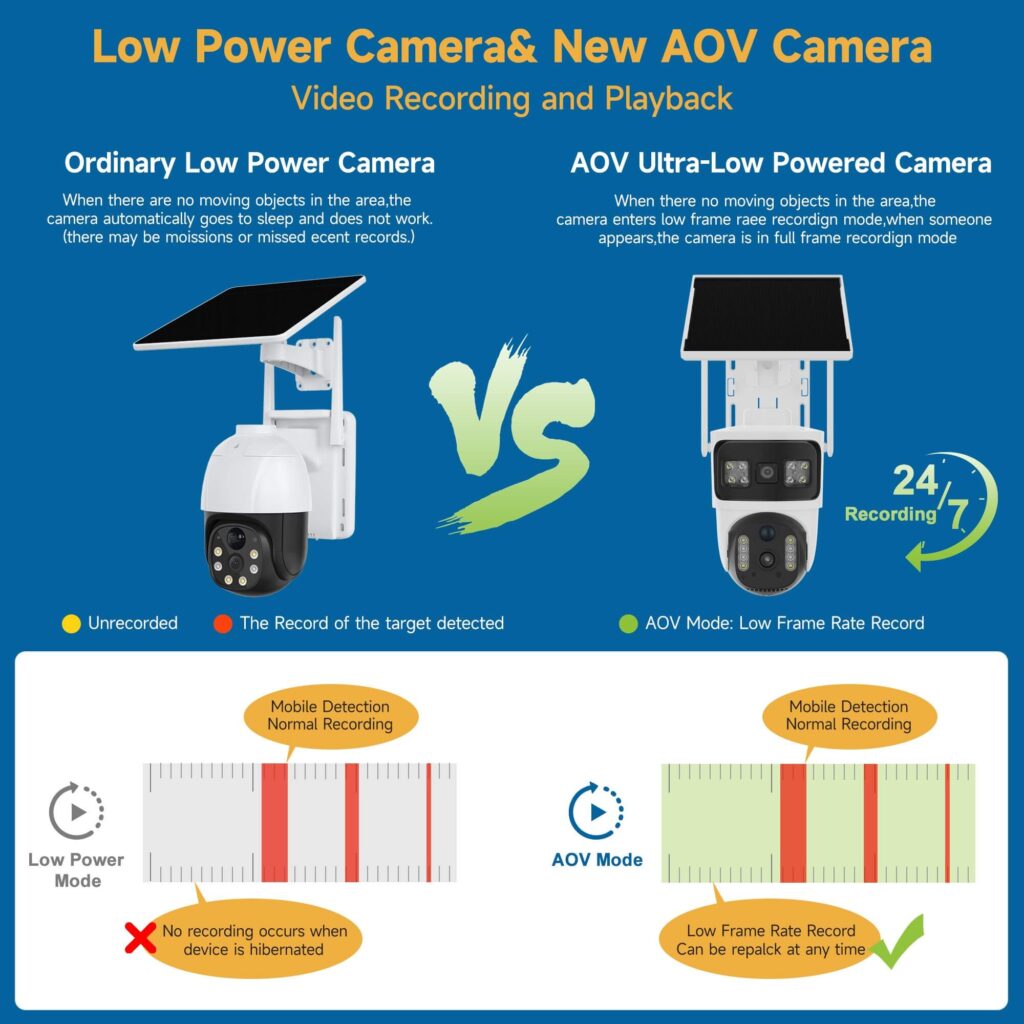
Solar power reliability separates functional security cameras from expensive paperweights during harsh weather months. Having tested dozens of solar camera systems through multiple winter seasons, I’ve identified five critical specifications that determine year-round operation.
Battery Capacity Foundation serves as your primary defense against cloudy periods. Standard 5,000 mAh batteries fail after 3-4 days without sunlight, but professional-grade 9,000+ mAh systems maintain operation for 12-15 days. This extended capacity proves essential during winter storm sequences that block sunlight for extended periods.
Solar Panel Wattage Efficiency directly impacts charging speed and recovery time. Basic 3W panels require 4+ hours of direct sunlight daily, while 6W panels need only 2 hours to maintain full operation. This difference becomes critical in northern regions where winter daylight barely reaches 6-8 hours.
| Panel/Battery Combo | Daily Sun Required | Cloudy Day Runtime |
|---|---|---|
| 3W / 5,000 mAh | 4+ hours | 4 days |
| 6W / 9,000 mAh | 2 hours | 12-15 days |
Smart Power Management extends operational duration through intelligent consumption control. Advanced cameras reduce power draw by 40-60% during low-activity periods, automatically adjusting recording frequency and transmission schedules.
Temperature Tolerance Ratings affect battery performance in cold conditions. Quality lithium batteries maintain 80% capacity at -20°F, while cheaper alternatives lose 50% efficiency at 32°F.
Geographic Optimization Features adapt to local conditions. Professional systems from Jer-Tech include latitude-based power algorithms that adjust for seasonal daylight variations. For site-specific power calculations and winter performance assessments, contact our technical team for professional consultation.
Does Image Quality Actually Matter for Security?
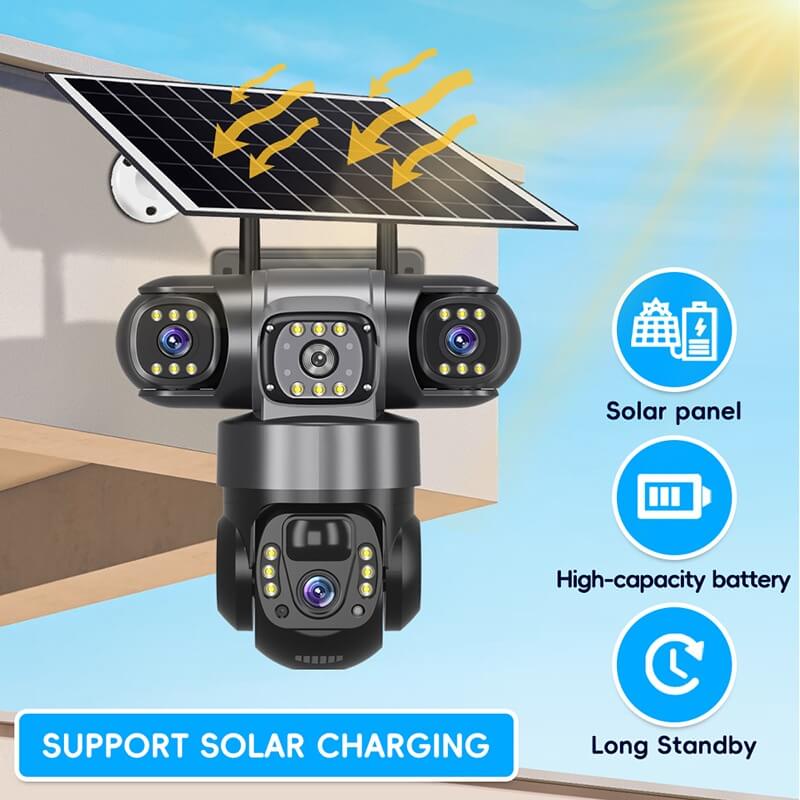
Image quality determines whether your security footage becomes courtroom evidence or expensive digital garbage. After analyzing thousands of hours of security footage across various conditions, I’ve identified five imaging specifications that separate professional cameras from disappointing purchases.
Resolution Optimization requires matching pixel count to your specific needs. 3MP handles general monitoring adequately, while 5MP provides the sweet spot for most applications. 8MP excels for evidence collection but consumes significantly more storage and battery power. Blindly choosing maximum resolution often creates more problems than benefits.
Sensor Quality impacts low-light performance more than resolution alone. Professional-grade sensors capture usable footage in near-darkness, while cheap sensors produce grainy, unusable images regardless of megapixel count. This difference becomes critical during nighttime incidents.
| Resolution | Best Application | Storage Impact |
|---|---|---|
| 3MP (2304×1296) | General monitoring | Low |
| 5MP (2560×1920) | Balanced detail/efficiency | Medium |
| 8MP (3840×2160) | Evidence collection | High |
Lens Field of View affects coverage efficiency. Wide-angle lenses (120°-170°) reduce camera requirements but may sacrifice detail at distance. Standard 76° lenses provide better zoom capabilities for identifying specific features.
Night Vision Range determines darkness effectiveness. Quality infrared systems provide clear footage up to 30 meters, while basic models struggle beyond 10 meters.
Image Stabilization Technology prevents motion blur during wind or vibration. Professional systems from Jer-Tech include digital stabilization that maintains clear footage in challenging mounting conditions. For application-specific imaging recommendations and detailed specifications, contact our imaging specialists for professional consultation.
How Smart Are Modern AI Detection Features?
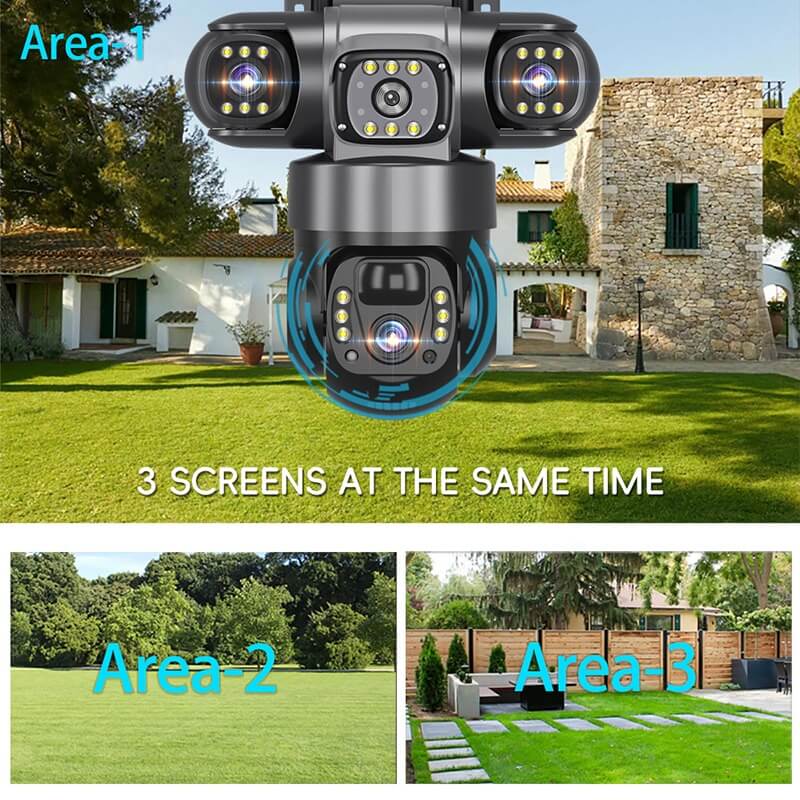
AI technology transforms ordinary cameras into intelligent security systems, but the gap between marketing claims and actual performance often surprises buyers. After testing dozens of AI-enabled cameras across various conditions, I’ve identified five critical features that separate functional AI from fancy gimmicks.
Object Classification Accuracy determines whether your camera recognizes genuine threats or triggers false alarms. Professional systems achieve 95-99.9% accuracy in distinguishing humans from animals, vehicles, and environmental movement like swaying branches. Basic AI struggles with 75-85% accuracy, creating notification fatigue that defeats the purpose.
Detection Range and Speed affect response effectiveness. Advanced AI systems detect movement up to 30 meters during daylight and 20 meters at night, with response times under 250 milliseconds. Basic systems limit detection to 10 meters with 3-5 second delays that miss critical moments.
| AI Level | Detection Range | Accuracy Rate | Response Time |
|---|---|---|---|
| Basic | 10 meters | 75-85% | 3-5 seconds |
| Advanced | 30m day / 20m night | 95-99.9% | Under 250ms |
Smart Tracking Capabilities maintain focus on detected subjects through PTZ controls. Quality systems follow movement automatically while maintaining optimal zoom levels for identification.
Behavioral Recognition identifies specific actions like loitering, running, or climbing, providing context beyond simple motion detection.
Power Efficiency Balance ensures AI features don’t drain your solar battery system. Professional cameras from Jer-Tech optimize AI processing to minimize power consumption while maintaining detection accuracy. For AI feature comparisons and power consumption analysis, contact our technical specialists for detailed recommendations.
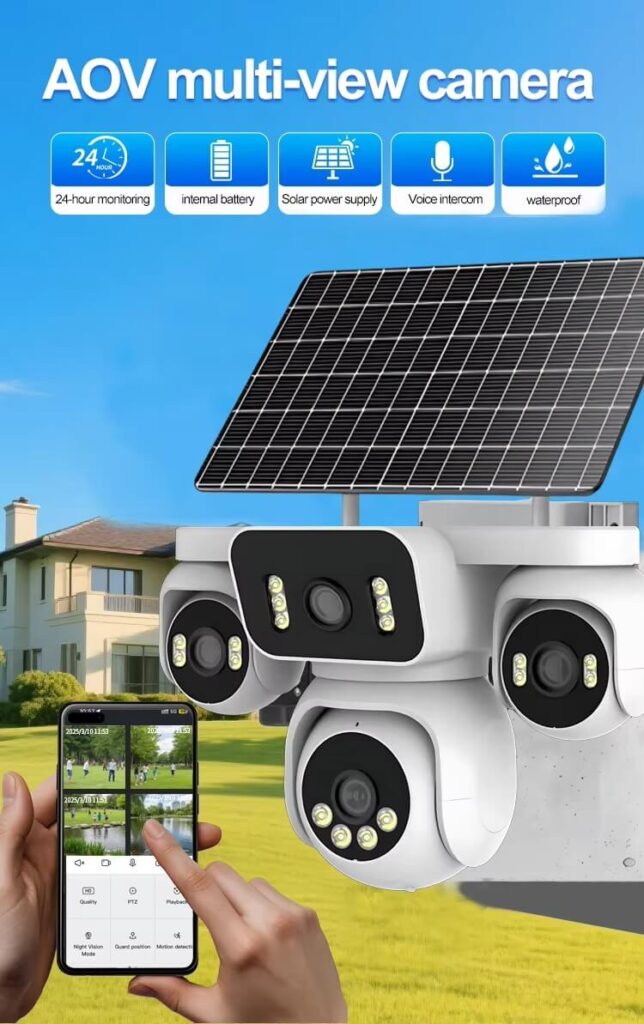
Where Will Your Security Footage Live?
Storage decisions determine whether your security footage becomes valuable evidence or disappears exactly during incidents. After managing storage solutions across hundreds of camera installations, I’ve identified five critical storage features that separate reliable systems from disappointing failures.
Local Storage Capacity provides your first line of defense against network failures. MicroSD cards up to 512GB handle 30-45 days of standard recording, but high-resolution footage reduces this dramatically. Calculate your actual needs: 3MP cameras consume approximately 12GB per day, while 8MP cameras require 35GB daily for continuous recording.
Cloud Storage Integration offers unlimited capacity and remote access but creates ongoing subscription costs. Professional cloud services range from $3-15 monthly depending on retention periods and video quality. Factor these recurring expenses into your total ownership costs.
| Storage Type | Monthly Cost | Offline Access | Theft Protection |
|---|---|---|---|
| Local (512GB) | $0 | Yes | No |
| Cloud Basic | $3-8 | No | Yes |
| Hybrid System | $5-15 | Yes | Yes |
Encryption Standards protect your footage from unauthorized access. AES128 encryption prevents cyber threats while ensuring compliance with privacy regulations.
Automatic Backup Scheduling prevents storage gaps during critical periods. Smart systems automatically overwrite the oldest footage or upload priority clips to cloud storage.
Storage Management Features optimize capacity through motion-triggered recording and customizable retention policies. Professional systems from Jer-Tech include intelligent storage algorithms that maximize recording duration. For storage capacity planning and backup strategy consultation, contact our data management specialists for tailored recommendations.
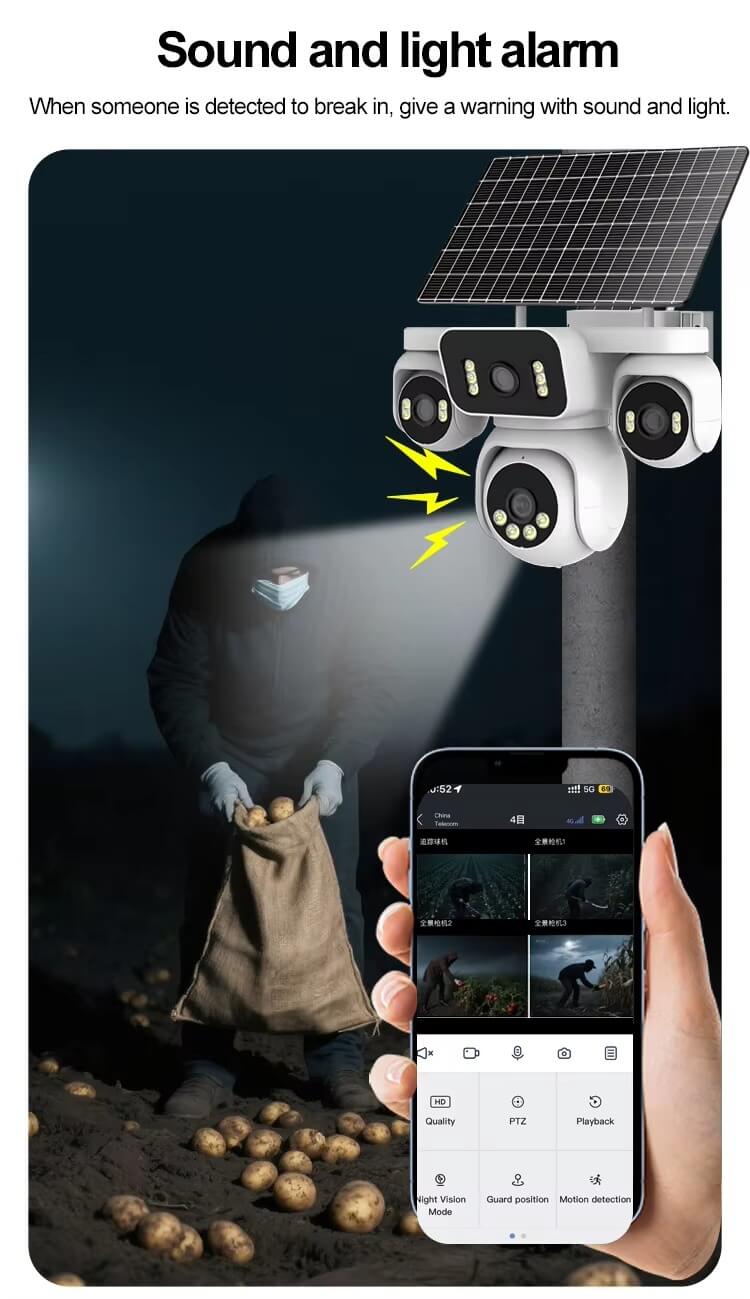
Conclusions
Selecting the right 4G solar camera requires careful evaluation of connectivity, power systems, image quality, AI capabilities, storage options, and long-term durability. By prioritizing these essential features over flashy marketing claims, you’ll invest in reliable security that protects your property for years to come. Quality cameras feature IP65 or IP66 weather ratings, ensuring operation through extreme temperatures, rain, snow, and dust exposure. Choose manufacturers with proven track records and comprehensive support systems to protect your security investment.

 English
  Español
  Português
  العربية
  Русский
  Français
  日本語
日本語  Türkçe