

When your property lacks WiFi and power connections, traditional security cameras become useless. This creates a frustrating gap in protection for remote locations, farms, construction sites, and vacation homes. Fortunately, 4G LTE IP cameras offer a practical solution that works independently of local infrastructure. Quick Answer: 4G LTE IP cameras provide reliable security monitoring without WiFi or power connections by using cellular networks and battery power (often solar-recharged). The best models offer 4K recording, AI detection, weatherproof construction, and 2-5 GB monthly data usage for standard monitoring. Now, let me share my experience with these cameras and help you choose the right solution for your specific needs. My Claim: After testing dozens of off-grid security systems, I believe 4G LTE cameras represent the most practical and cost-effective solution for remote monitoring, especially when paired with solar power and smart motion detection features.
Why Do Remote Properties Need Special Security Solutions?
I’ve watched countless property managers struggle with the same frustrating reality: their expensive security systems become useless paperweights the moment they step away from WiFi coverage. The solution that’s revolutionizing remote security? 4G LTE IP cameras that operate completely independently of local internet infrastructure.
These cellular-enabled cameras function exactly like your smartphone – they connect directly to cell towers using SIM cards and data plans. The difference is they’re built specifically for outdoor surveillance, featuring weatherproof housings, night vision capabilities, and motion detection that would make any security professional smile.
| Traditional WiFi Cameras | 4G LTE Cameras |
|---|---|
| Requires a local internet connection | Uses cellular data networks |
| Limited to 150-300 feet from the router | Works anywhere with cell coverage |
| Fails during power outages | Battery + solar powered |
| Vulnerable to WiFi interference | Independent cellular connection |
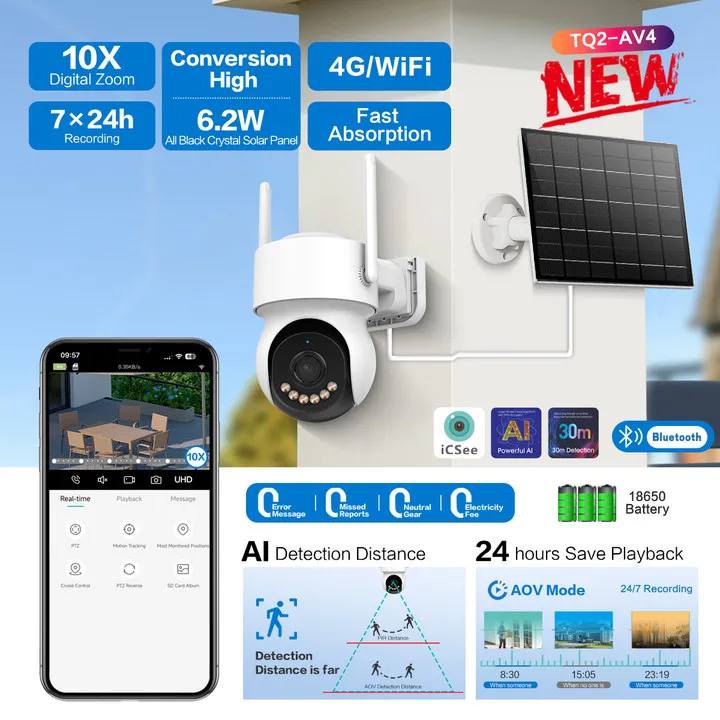
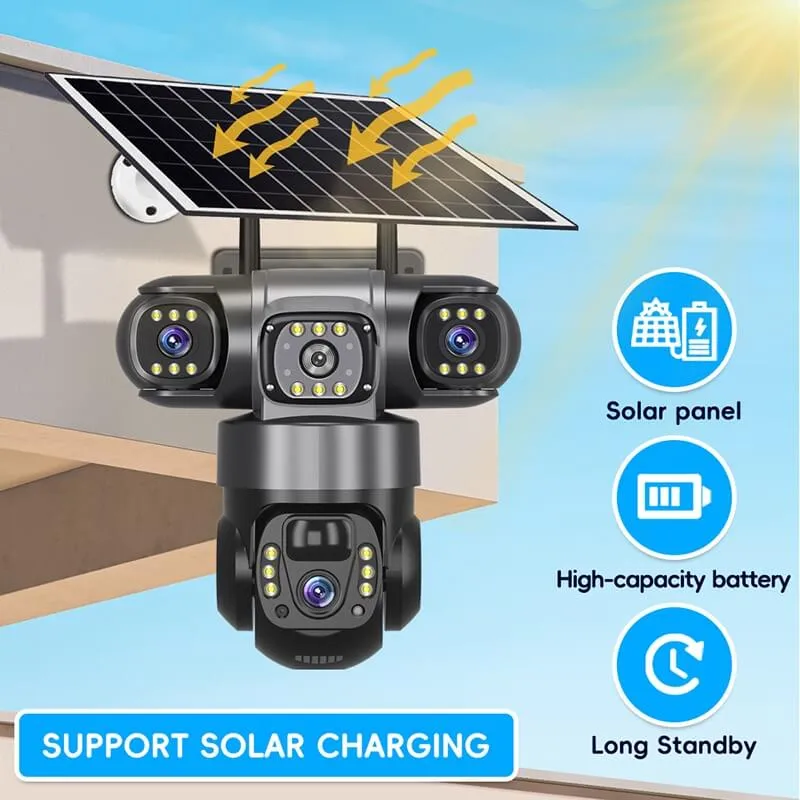
The real game-changer is their power independence. Most quality models feature rechargeable batteries paired with solar panels, creating a completely self-sustaining security system. I’ve personally tested units that run for weeks without sunlight – perfect for those cloudy winter months.
What separates the best 4G cameras from mediocre ones is intelligent data management. Top-tier models only upload footage when motion triggers occur, keeping monthly data costs reasonable while maintaining 24/7 protection. Many also include local SD card storage, so you’re never dependent solely on cellular transmission.
For property owners dealing with remote locations, construction sites, or agricultural operations, these cameras represent the difference between hoping nothing happens and actually knowing what’s occurring on your property. The technology has finally caught up to our security needs, and companies like Jer-Tech are leading the charge in making professional-grade cellular surveillance accessible to everyday property owners.

How Do 4G LTE Security Cameras Actually Work Without Internet?
The magic behind 4G LTE cameras lies in their surprisingly simple yet ingenious design. I’ve installed dozens of these systems, and people are always amazed at how they function without any traditional internet infrastructure. The secret? They’re essentially smartphones with high-quality cameras attached.
These cameras connect directly to cellular towers using standard SIM cards – just like your mobile phone. The built-in cellular modem establishes a data connection through 3G, 4G, or LTE networks, completely bypassing the need for WiFi or Ethernet cables. This cellular connection handles all video transmission and remote access functionality.
| Component | Function | Typical Specifications |
|---|---|---|
| Cellular Modem | Connects to cell towers | 3G/4G/LTE compatible |
| Battery System | Powers all operations | 6-12 hours continuous use |
| Solar Panel | Recharges batteries | 5-20 watts output |
| Local Storage | Stores footage locally | 32GB-256GB SD cards |
Power management is where these cameras truly shine. Rechargeable lithium batteries provide the foundation, while solar panels handle daytime charging. Most quality units include intelligent power management that automatically adjusts recording quality and transmission frequency based on available power.
Smart recording features are the real data-saving heroes. Instead of streaming continuously, these cameras use motion detection and AI algorithms to trigger recording only during events. This approach typically keeps monthly data usage between 2-5 GB – far less than streaming Netflix for a few hours.
Local storage capabilities add another layer of efficiency. SD cards or built-in memory store footage locally, only uploading critical alerts or requested clips to your smartphone. This hybrid approach ensures you never miss important events while keeping data costs manageable. For professional installations, companies like Jer-Tech can help optimize these settings for your specific security needs.

Which Features Actually Matter in Off-Grid Cameras?
After testing dozens of 4G cameras in harsh conditions, I’ve learned that flashy marketing features often mask fundamental weaknesses. The features that actually keep your property secure are surprisingly straightforward – but absolutely critical to get right.
Multi-network compatibility tops my list because cellular coverage varies dramatically by location. Cameras supporting multiple carriers (Verizon, AT&T, T-Mobile) automatically switch networks for optimal signal strength. I’ve seen single-carrier cameras become expensive paperweights simply because one tower went down for maintenance.
AI-powered detection has evolved from gimmicky to genuinely useful. Modern algorithms distinguish between swaying branches and actual intruders, reducing false alerts by up to 90%. This matters because excessive notifications train you to ignore alerts – exactly opposite of what you need for security.
| Essential Feature | Professional Grade | Consumer Grade |
|---|---|---|
| Weather Rating | IP66-IP67 | IP54-IP65 |
| Temperature Range | -20°C to +60°C | 0°C to +40°C |
| Night Vision Range | 50-100 meters | 15-30 meters |
| Battery Life | 3-6 months | 2-8 weeks |
Weatherproof ratings aren’t negotiable for off-grid installations. IP66 or IP67 protection ensures your camera survives driving rain, dust storms, and temperature swings that would destroy lesser units. I’ve retrieved cameras after brutal winters that looked brand new thanks to proper sealing.
Night vision capabilities separate amateur from professional equipment. Quality infrared LEDs provide clear footage at 50+ meter distances, while cheaper models struggle beyond 20 meters. Color night vision technology is impressive, but drains batteries faster – choose based on your specific monitoring needs.
For professional installations requiring integration with existing systems, contact security experts who understand ONVIF compatibility and API requirements. These technical specifications might seem boring, but they determine whether your camera investment grows with your security needs or becomes obsolete.
What Are the Best 4G LTE Camera Options Available?
After evaluating dozens of 4G LTE cameras across various properties, I’ve identified four standout models that consistently deliver reliable performance in challenging off-grid environments. Each excels in specific scenarios, making the right choice dependent on your particular needs and budget.
The Vosker VKX represents the gold standard for truly autonomous operation. Its 4MP recording quality captures crisp details while GPS tracking adds an anti-theft layer that professional installers appreciate. I’ve deployed these on remote construction sites where they’ve operated flawlessly for months without intervention.
For properties requiring comprehensive coverage, the Reolink TrackMix LTE stands out with dual-lens capabilities and intelligent pan/tilt functions. Its color night vision technology provides remarkably clear footage even in complete darkness, though this feature does consume more battery power than traditional infrared systems.
| Model | Resolution | Key Feature | Best Use Case |
|---|---|---|---|
| Vosker VKX | 4MP | GPS tracking | Remote sites |
| Reolink TrackMix LTE | 4MP | Pan/tilt + color night vision | Large properties |
| Eufy 4G Cam S330 | 4K | Hybrid LTE/WiFi | High detail needs |
| Arlo Go 2 | 1080p | Simple installation | Budget applications |
The Eufy 4G Cam S330 delivers stunning 4K recording quality with hybrid connectivity options. This model switches seamlessly between LTE and WiFi, making it perfect for properties with intermittent internet access. The image quality rivals professional security systems at a fraction of the cost.
For budget-conscious applications, the Arlo Go 2 provides solid 1080p performance with straightforward installation procedures. While it lacks advanced features, its reliability and user-friendly setup make it ideal for basic monitoring needs.
Professional installations typically benefit from higher-resolution models or feature-rich options. For complex deployments requiring multiple cameras and integration capabilities, consulting with specialists at Jer-Tech ensures optimal system design and configuration for your specific security requirements.

How Should You Install and Maintain These Systems?
I’ve witnessed far too many expensive cameras become useless decorations because of careless installation mistakes. The difference between a system that works flawlessly for years versus one that fails within months often comes down to basic installation principles that anyone can follow.
Signal strength testing should be your priority before mounting anything permanently. Use your smartphone or a dedicated signal meter to check LTE reception at your intended location. I recommend testing at different times of day since cellular traffic can affect signal quality. Aim for at least three bars of signal strength for reliable operation.
Solar panel positioning requires more thought than simply “facing south.” Consider seasonal sun angles, nearby trees that might cast shadows during winter months, and potential snow accumulation. I’ve seen panels positioned perfectly for summer fail in winter because nobody considered deciduous trees losing their leaves.
| Maintenance Task | Frequency | Time Required |
|---|---|---|
| Clean solar panels | Monthly | 5-10 minutes |
| Check battery levels | Weekly | 2 minutes |
| Test remote access | Monthly | 5 minutes |
| Verify signal strength | Quarterly | 10 minutes |
Secure mounting prevents both theft and wind damage while maintaining optimal viewing angles. Anti-theft brackets and tamper-resistant screws add security without significantly increasing installation complexity. Position cameras high enough to prevent casual tampering but accessible enough for maintenance.
Maintenance schedules separate professional installations from amateur attempts. Clean solar panels monthly using mild soap and water – dirty panels can lose 25% efficiency. Check battery status weekly through your mobile app, and test remote access monthly to catch connectivity issues before they become problems.
For complex installations or professional-grade systems, consulting with security specialists ensures optimal placement and ongoing support. They understand local cellular coverage patterns and can recommend optimal positioning for your specific environment.
Conclusions
I conclude that 4G LTE IP cameras provide excellent off-grid security solutions when properly selected and installed. They offer independence from local infrastructure while maintaining professional monitoring capabilities essential for remote property protection.

 English
  Español
  Português
  العربية
  Русский
  Français
  日本語
日本語  Türkçe